As an Amazon Associate, we earn from qualifying purchases. Some links on this site are affiliate links at no extra cost to you. Our recommendations are based on thorough research and editorial judgment.


Recognizing Wear Patterns on Outsoles and What They Reveal About Your Form

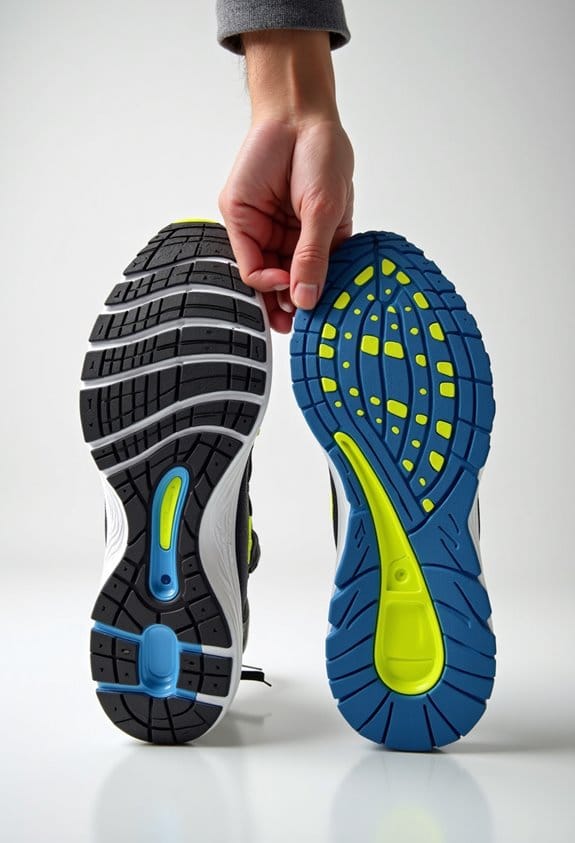
Outsole wear patterns reveal key aspects of your foot mechanics and gait. Medial wear indicates overpronation with inward foot rolling, common in flat arches. Lateral wear suggests supination from high arches, causing outward rolling and knee strain. Neutral wear shows balanced pressure near the big toe and outer heel, typical in 80% of runners. Recognizing these wear patterns helps identify injury risks and guides footwear selection for better stability and cushioning. Understanding these details enhances your running form comprehension.
Key Takeaways
- Lateral sole wear indicates supination with outward foot rolling, common in runners with high arches needing cushioned neutral shoes.
- Medial sole wear suggests overpronation with excessive inward rolling, risking injuries and benefiting from motion control shoes.
- Neutral wear patterns show balanced pressure near the big toe and outer heel, reflecting proper foot alignment and reduced injury risk.
- Uneven outsole wear signals potential biomechanical issues or footwear degradation, indicating the need for gait analysis or shoe replacement.
- Regular inspection of sole wear helps monitor running form and prevents injury by guiding appropriate shoe selection and replacement timing.
The Basics of Shoe Sole Wear Patterns
You may be interested
Daily Trainer vs. Speed Day Shoe: When to Use Each on the Road
February 2, 2026
Wear patterns on shoe soles serve as precise indicators of a runner’s gait mechanics and force distribution during each stride. Shoe wear patterns primarily fall into three categories: medial, neutral, and lateral wear. Lateral wear occurs on the outer edges of running shoes and often indicates supination, while overpronation manifests as excessive medial wear. Most runners, about 75-90%, are heel strikers and show wear on the posterior lateral section of the sole. Regular gait analysis through examining shoe wear patterns helps identify abnormal pronation, which can lead to injury if uncorrected. Reviewing these wear patterns also assists in selecting appropriate running shoes to improve biomechanical efficiency and reduce injury risk by evenly distributing forces during each stride. Choosing shoes with the right durability and support contributes significantly to correcting these biomechanical issues.
Recommended Products

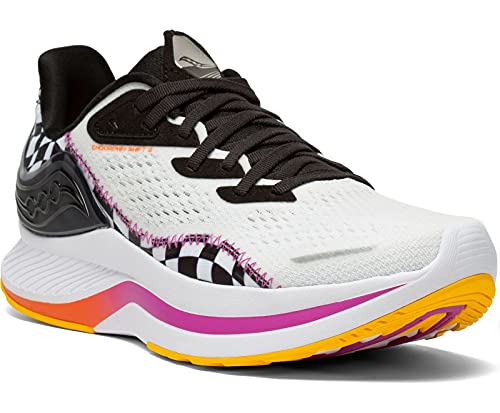
Fresh Foam midsole cushioning is precision engineered to deliver an ultra-cushioned, lightweight ride
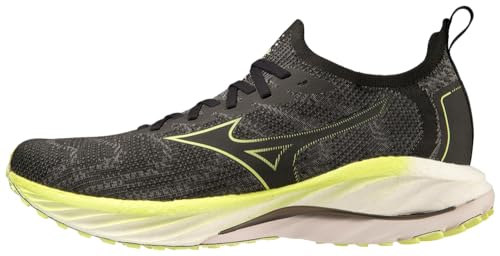
MIZUNO ENERZY (FOAM): Offering versatility in its application, while still maintaining softness and resilience. It will help enhance performance capabilities.
Understanding Medial Wear Patterns
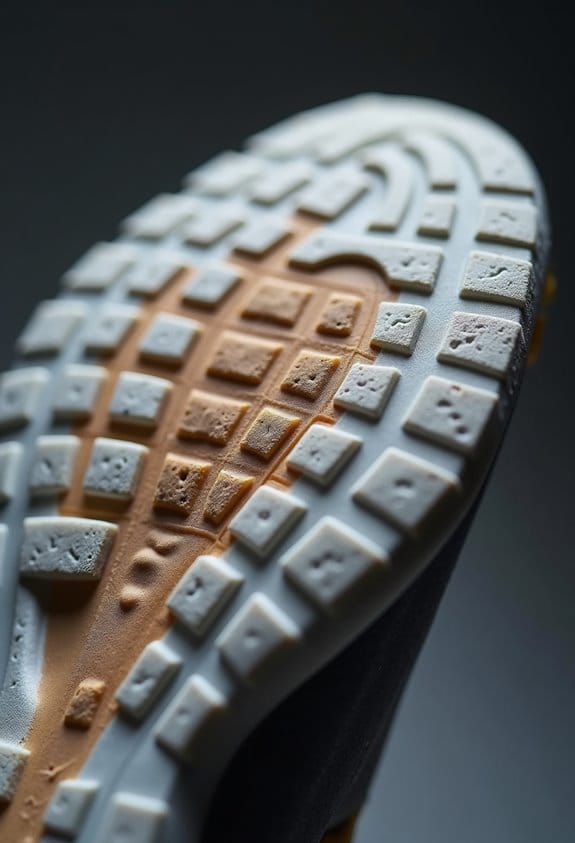
Although shoe wear patterns vary widely, medial wear consistently indicates overpronation, a gait abnormality where the foot excessively rolls inward during the running stride. A medial wear pattern typically appears on the inner edge of the shoe sole and is common in runners with flat arches or flexible feet. Overpronation increases the risk of running injuries like plantar fasciitis, shin splints, and knee pain by altering normal biomechanics. Motion control shoes, designed with features such as a dual-density midsole, help stabilize the foot and control excessive inward rolling. Combining these shoes with supportive insoles, like the Tread Labs Run Insole, further enhances foot alignment and reduces stress on joints. Recognizing a medial wear pattern allows runners to select appropriate footwear that mitigates injury risks. Weightlifting shoes, with their non-slip rubber soles and reinforced ankle support, are examples of specialized footwear designed to enhance stability and support during physical activity.
Recommended Products

Elliptical cross trainer with converging crossramp technology follows a natural running stride allowing feet to converge toward the midline of the body
24.2MP APS-C Exmore sensor with advanced processing up to Iso 51.200

Interpreting Neutral Wear Patterns
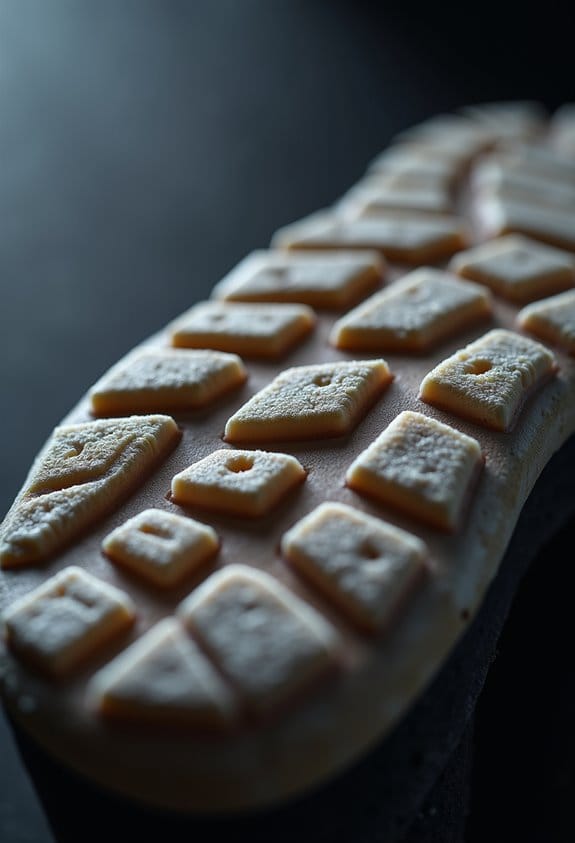
When examining outsole wear, a neutral pattern signals a balanced distribution of pressure throughout the foot during running. Wear patterns mean that the foot strike and stride maintain proper alignment without excessive inward or outward rolling. Neutral wear patterns often show Running Shoe Wear around the big toe and outer heel. This wear along these areas indicates a consistent heel strike followed by a smooth roll toward the toe-off phase. About 80% of runners display this pattern, which correlates with ideal foot function and reduced injury risk. If your shoes exhibit neutral wear patterns, you likely have a balanced gait, allowing access to a wider range of footwear without specialized stability features. Understanding these patterns provides insight into your running mechanics and helps refine shoe selection. Incorporating zero drop shoes with their natural foot alignment can further enhance this balanced gait and promote overall foot health.
Identifying Lateral Wear Patterns
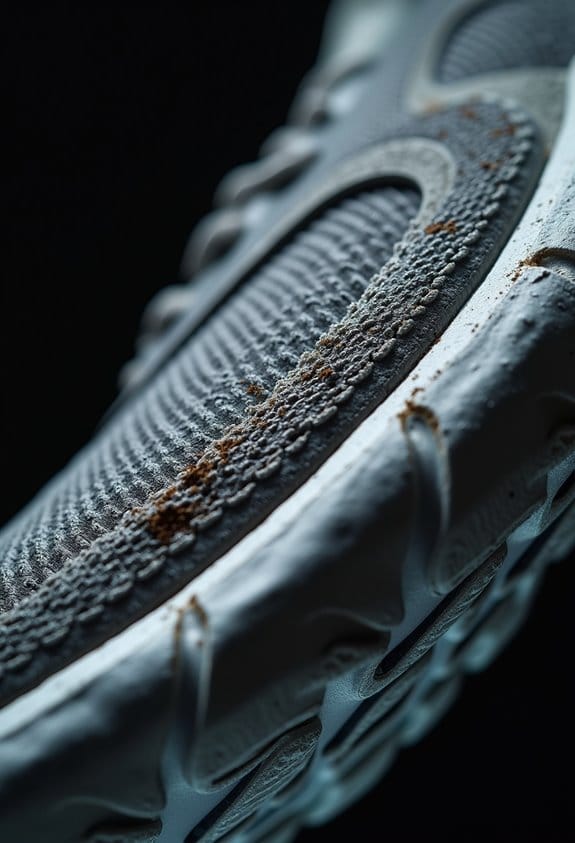
Lateral wear patterns frequently reveal under-pronation, which causes the foot to roll outward during each stride. This wear typically appears on the outer edges of the outsole and is common in those with high arches, who experience uneven weight distribution. Under-pronation increases pressure on the lateral side, often causing the shoe upper to tilt outward and potentially leading to lateral knee strain or other injuries. To address this, footwear with adequate cushioning and support, such as neutral shoes designed for supinators, is recommended. Regularly inspecting lateral wear patterns can indicate when orthotic adjustments or changes in your running form may be necessary to reduce injury risk, as persistent lateral pressure affects biomechanics and foot alignment during movement. Monitoring these patterns guarantees better shoe selection and injury prevention. Incorporating minimalist shoes can also help by promoting natural foot biomechanics and encouraging proper foot movement to reduce injury risks.
How Wear Patterns Reflect Your Running Form
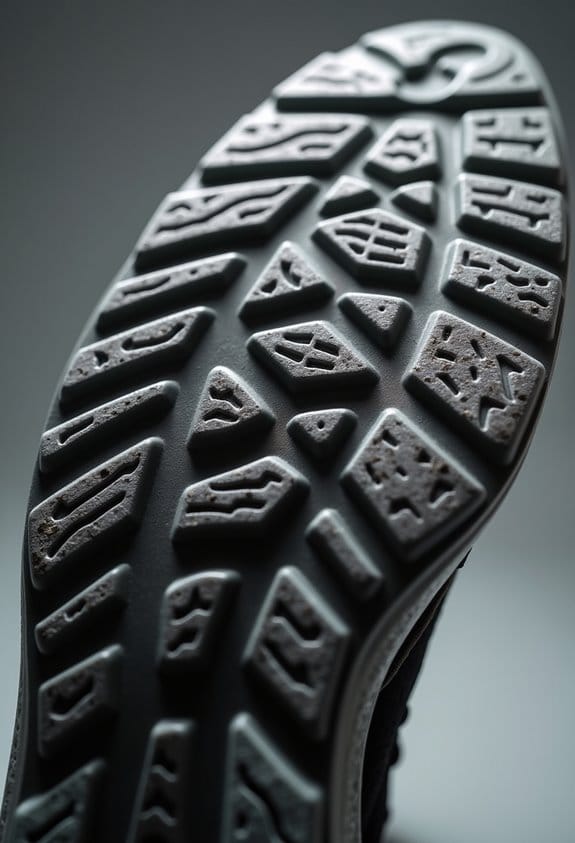
Numerous wear patterns on a shoe’s outsole provide clear indicators of your running form and foot mechanics. Medial wear typically signals overpronation, meaning your foot rolls inward excessively during the stride, which increases injury risks and reduces running efficiency. A neutral foot type displays balanced wear near the big toe and outer heel, reflecting proper biomechanics. Conversely, significant lateral wear on the heel and forefoot suggests supination, stressing the outer leg muscles. Outsole irregularities such as bulges or ridges reveal possible foot structure issues or improper shoe sizing, which affect posture and comfort. Regularly examining wear patterns helps in understanding your unique gait, allowing for better shoe selection and improved foot health, ultimately optimizing your running form and performance. Understanding cushioning technologies in your running shoes can further help minimize injury risks identified by outsole wear patterns.
Shoe Recommendations for Different Wear Patterns
Different outsole wear patterns require specific shoe types to maintain proper foot alignment and comfort. For medial wear associated with overpronation, motion control shoes offer the necessary stability, helping counter flat arches and reduce inward rolling. Those with lateral wear patterns benefit from shoe recommendations favoring neutral or cushioned running shoes, which accommodate supination and provide balanced shock absorption. If wear appears equally on the big toe and heel, a neutral shoe selection is fitting, reflecting a balanced stride. Wear concentrated on the big toe suggests wider toe boxes to prevent discomfort. Forefoot wear demands shoes featuring enhanced forefoot cushioning or insoles that lessen pressure on metatarsals during push-off phases. Selecting appropriate footwear aligned with wear patterns optimizes support and prolongs shoe lifespan. Additionally, runners seeking comfort and impact protection can consider shoes with Fresh Foam midsoles known for combining cushioning and durability.
The Role of Insoles in Improving Foot Mechanics
Although shoes provide baseline support, insoles greatly improve foot mechanics by offering additional arch reinforcement, which assists both overpronators and underpronators during running. Insoles like the Tread Labs Run Insole enhance stability by correcting biomechanical irregularities and provide firm arch support, vital for optimizing foot mechanics. Properly fitted insoles absorb impact forces, reducing stress on muscles, tendons, and ligaments, which lowers injury risk. A snug fit without excess pressure is essential to maintain comfort and effectiveness. Gradual acclimatization to new insoles allows your feet and body to adjust to changes in alignment and support, preventing discomfort. Consequently, insoles play an important role in stabilizing the foot and distributing impact forces efficiently throughout the gait cycle. Additionally, combining insoles with shoes featuring systems like GuideRails Holistic Support can further minimize excessive foot motion and enhance running stability.
Recommended Products

Custom-Fit Running Orthotics – Tailored from your foot impressions, these insoles provide personalized support for flat feet, high arches, and foot pain.

Plus Fitting System - Two Removable Footbeds for Added and Double Depth Accomodates Orthotics

When to Replace Your Running Shoes
Insoles improve foot mechanics and offer support, but running shoes still wear down over time. It is essential to monitor sole wear and replace running shoes every 300 to 500 miles, depending on weight, gait, and running style. Signs to replace include visible outsole wear, decreased cushioning, and discomfort during runs. Uneven wear patterns on shoes, such as excessive medial or lateral abrasion, reveal underlying biomechanics issues and indicate that shoes may need replacement sooner. Regular inspection of sole wear helps identify excessive wear points that increase injury risk. If discomfort builds up in feet, shins, or knees, it may signal that shoes have lost effectiveness. Recognizing these signs to replace prevents further biomechanical stress and maintains proper running form. Additionally, noting outsole degradation helps determine when to retire a pair to maintain optimal support and performance.
Recommended Products

Soft and comfortable, Max Air cushioning offers just the right amount of support.

Integrated FF BLAST foam midsole for optimal comfort and a soft landing to reduce impact on the joints.

BOA Fit Lacing System dials in the fit, providing slip-on convenience with lace-up support
Additional Factors Affecting Shoe Wear Patterns
How do external factors influence outsole wear beyond basic biomechanics? Shoe wear patterns result not only from individual biomechanics, such as foot structure and gait mechanics, but also from running surface, training frequency, and weather conditions. For example, running on hard pavements typically causes more significant wear at the forefoot than softer tracks, which preserve shoe material longer. Additionally, intense runners may exhibit accelerated shoe wear compared to casual joggers because of increased ground impact. Wet or muddy environments often produce uneven wear patterns unrelated to normal gait. Regular changes in running shoes, like alternating pairs, can reduce excessive wear on one shoe, supporting healthier mechanics and prolonging durability. Understanding these factors helps you analyze wear patterns more accurately, combining biomechanical insight with environmental context for improved footwear management. Incorporating shoes with durable materials and carbon or AT Tread rubber outsoles can also enhance wear resistance in challenging conditions.
Frequently Asked Questions
What Does Shoe Wear Pattern Tell You?
Approximately 70% of runners exhibit distinct wear patterns revealing insights into impact analysis and weight distribution. This aids gait assessment, optimizing athletic performance and footwear longevity by identifying biomechanical imbalances for injury prevention and training adjustments.
How Do Shoes Reflect Your Personality?
Shoe color psychology combined with style choices reveals personal expression, while brand preferences often indicate values such as sustainability. Functional needs also influence selections, showcasing a person’s lifestyle and priorities beyond mere aesthetics.
Why Do Shoe Soles Have Patterns?
Shoe soles have patterns to enhance sole design, optimizing traction performance across surfaces. They integrate cushioning technology and choose outsole materials strategically, balancing durability factors to guarantee comfort, stability, and longevity tailored to specific activities and environments.
Which of the Following Patterns of Wear Would You Expect to Find on the Shoes of a Runner Who Is Classified as a Pronator?
Approximately 60-70% of runners exhibit pronation impact. Pronators show medial outsole wear, indicating poor foot alignment. Proper arch support enhances running efficiency and injury prevention by correcting these patterns and promoting ideal biomechanics during gait.