As an Amazon Associate, we earn from qualifying purchases. Some links on this site are affiliate links at no extra cost to you. Our recommendations are based on thorough research and editorial judgment.


Road Running Shoe Fit: Toe Box Width, Volume, and Lockdown Basics

Road running shoe fit depends on a toe box width that matches the foot’s broadest point, typically allowing a thumb’s width (about 1.5–2 cm) of space beyond the longest toe to prevent pressure and black toenails. Adequate forefoot volume accommodates toe splay and variable foot shapes, especially for wider feet. Lockdown involves secure lacing and heel cups to prevent slippage and improve stride stability. Different shoe types vary in dimensions, affecting fit. Further details explain optimizing comfort and performance.
Key Takeaways
- Measure toe box width at the shoe’s widest interior point to ensure adequate space for toe splay and comfort during runs.
- Allow a thumb’s width of space between the longest toe and shoe end to prevent pressure and black toenails.
- Forefoot volume must accommodate foot shape and size, with wider toe boxes benefiting broader feet for improved comfort.
- Effective lockdown, via lacing and heel cup, secures the foot, prevents slippage, and enhances running stability.
- Racing shoes typically have narrower toe boxes, while daily trainers offer wider dimensions for better toe splay and comfort.
Measuring Toe Box Width and Forefoot Volume
You may be interested


Begin by measuring the toe box width at the shoe’s widest interior point, as this dimension directly influences comfort around the ball of the foot. The forefoot volume, which varies across running shoes, affects how well the shoe fits your foot’s shape and size. Adequate room in the toe box is critical to prevent pressure that can cause black toenails and discomfort during runs. A general guideline is to leave a thumb’s width of space between your longest toe and the shoe end, allowing for natural toe expansion. Measuring both toe box width and forefoot volume gives a clearer picture of fit and comfort, helping you select running shoes that support proper foot mechanics and reduce injury risks associated with insufficient forefoot space or excessive constriction. When choosing shoes for night running, consider features such as reflective panels to enhance visibility and safety in low-light conditions.
Why Toe Box Fit Matters for Runners
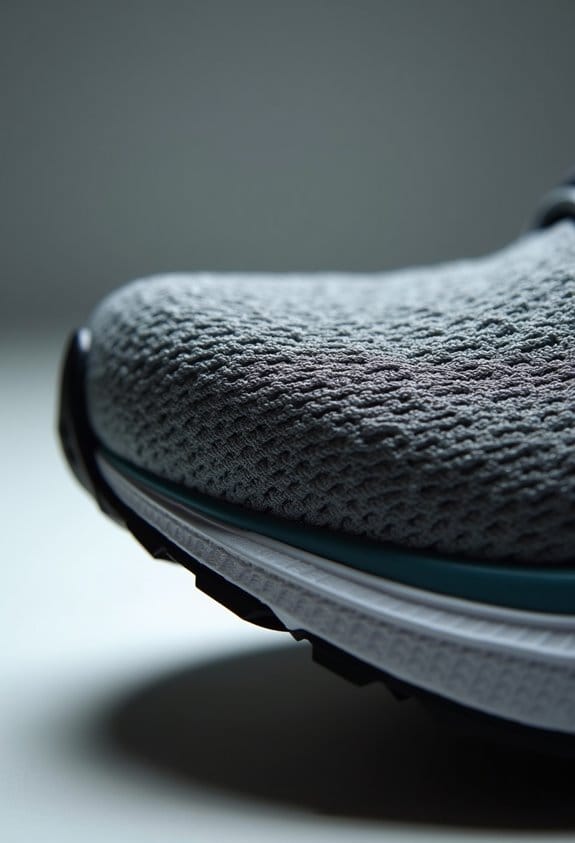
Accurate toe box fit directly affects a runner’s foot health and performance during activity. Proper toe box width guarantees a thumbs width of space between the longest toe and the end of the shoe, allowing natural toe splay and reducing pressure on the toes. Fit issues arise when insufficient volume or narrow shoe width compresses the forefoot, especially for wider feet, causing discomfort and problems like black toenails or ingrown toenails. A shoe that fits well accommodates both width and height of the toe box to prevent these complications. Manufacturers such as Altra and Topo design shoes with wider toe boxes to match anatomical shapes, promoting comfort and reducing injury risks. Consequently, selecting the correct toe box width is critical for avoiding long-term foot issues and supporting efficient running biomechanics. Shoes with a wide toe box also help mitigate foot squeezing and enhance overall comfort.
Understanding Lockdown and Its Role in Fit
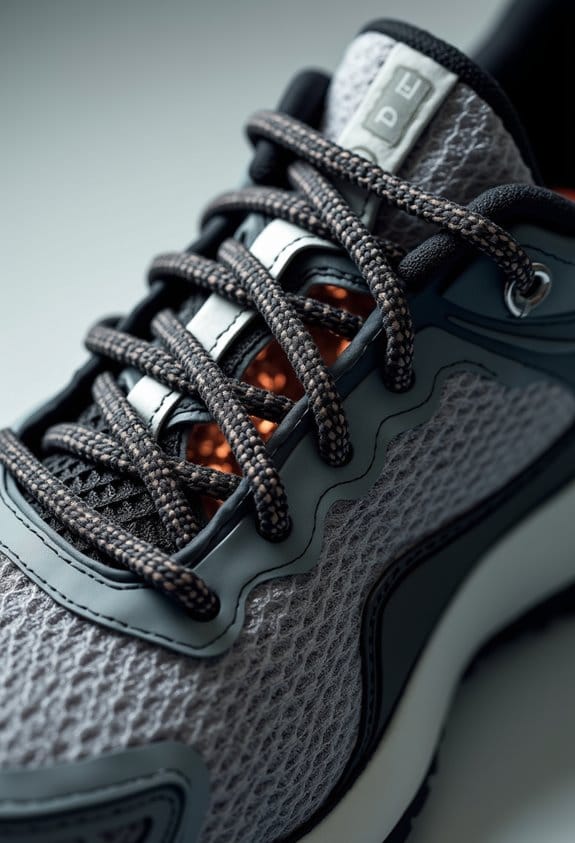
Although toe box fit affects forefoot comfort, lockdown plays an equally essential role by securing the foot in place during running. Lockdown refers to the shoe’s fit and security around the midfoot and heel, preventing unwanted movement and enhancing stability. The shoe’s lacing system and heel cup work together to provide a snug, secure fit without causing excessive pressure or discomfort. Foot anatomy influences lockdown effectiveness; runners with narrower heels often need a heel cup that closely contours the foot for maximum containment. Poor lockdown causes heel slippage, increasing blister risk and instability on uneven terrain. A well-secured foot allows efficient energy transfer during strides, maintaining alignment within the shoe. Consequently, lockdown is critical for both comfort and performance in road running footwear. Additionally, durable materials and structured design elements contribute significantly to maintaining effective foot lockdown over the shoe’s lifespan.
Comparing Toe Box Dimensions Across Shoe Types
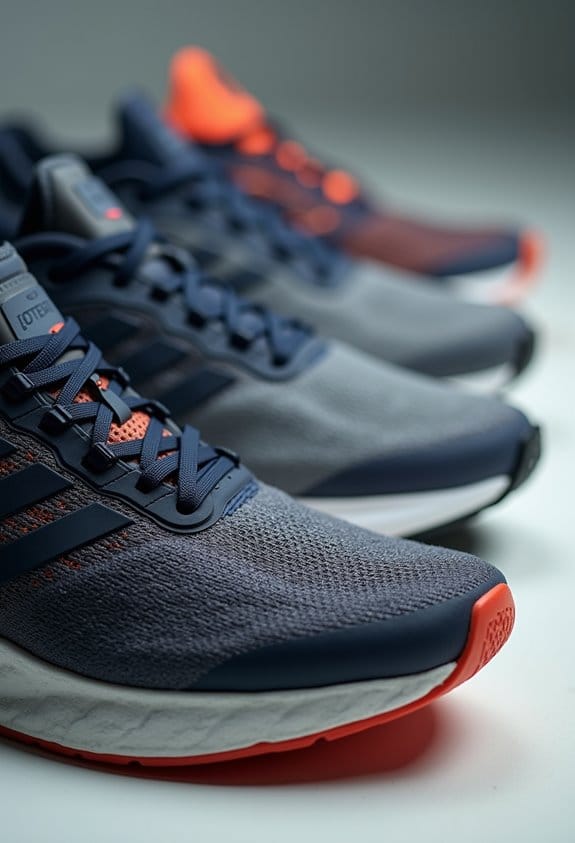
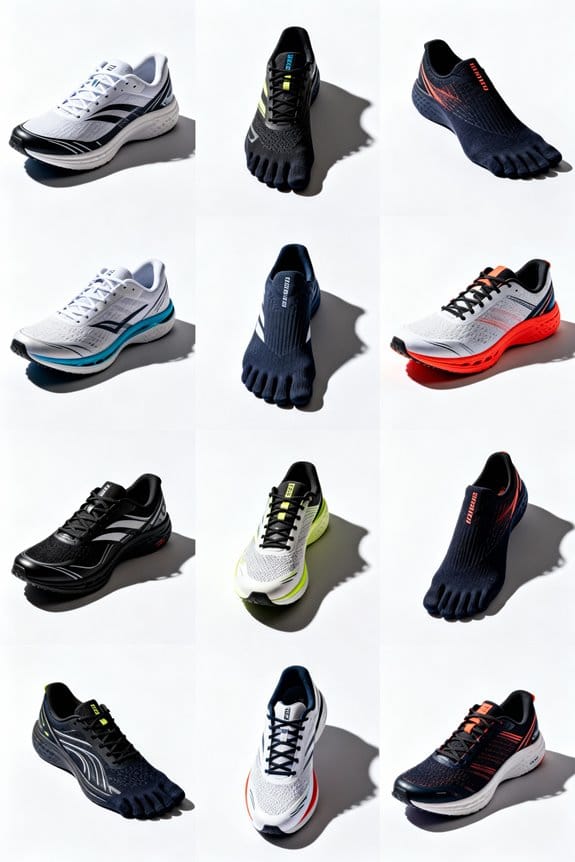
The toebox’s interior width is measured at its widest point to assess fit around the ball of the foot, a critical factor for runners prone to pressure and discomfort. Racing shoes generally feature a narrower toe box width, focusing on reducing weight and enhancing performance, which can increase pressure points for some foot shapes. In contrast, daily trainers prioritize comfort by offering wider shoe dimensions that accommodate toe splay and minimize stress during extended runs. Brands like Altra provide foot-shaped toe boxes, allowing more natural toe splay beneficial for broad-footed individuals. While wider running shoes often cost less, racing shoes with narrower dimensions tend to be pricier due to advanced materials and technologies. Understanding these differences aids proper shoe fit choices, reducing discomfort and optimizing running efficiency based on individual foot shape and activity type. Additionally, many road running shoes incorporate engineered mesh uppers to enhance fit and comfort, which can also influence the perceived volume within the toe box.
How Foot Shape Influences Toe Box Preference
Many runners find that foot shape directly determines the preferred toe box design for comfort and performance. Broader feet typically require increased toe box width and volume to allow natural toe splay, which improves comfort and prevents compression. Brands like Altra and Topo Athletic use running shoe technology emphasizing anatomical fit that accommodates wider forefeet. Conversely, those with narrower feet often prefer a tapered toe box for a snug fit, reducing unwanted foot movement during runs and enhancing stability. Research indicates a moderate correlation (0.57) between shoe upper width and big toe area, supporting anatomical alignment in wider shoes. Toe positioning concerns also influence preferences for increased toe box height, which may benefit long-distance runners by reducing pressure points. While many traditional running shoes lack these features, specialized designs better match individual foot shape and improve overall comfort. Additionally, selecting footwear with mid-height designs can help balance support and mobility for runners who require extra ankle stability without compromising flexibility.
Enhancing Fit With Sock Choice
Footwear fit can improve considerably by selecting appropriate sock thickness and materials. Sock choice affects shoe fit because thicker socks increase volume, helping snug a loose fit, while thinner socks reduce shoe size by up to half, ideal for tight shoes or warm conditions where moisture-wicking is critical. Running-specific socks are designed to control moisture efficiently, reducing blisters and enhancing comfort during runs. Selecting socks with arch support and cushioning can also improve lockdown, securing the foot and preventing movement inside the shoe. Consistently using the same sock type when fitting guarantees the shoe fits properly in all conditions. Consequently, sock choice interacts intricately with toe box width and overall volume, requiring careful consideration to balance stability, comfort, and moisture management for peak road running shoe performance. Additionally, choosing footwear with a wide toe box can help accommodate natural toe splay and reduce discomfort for runners with foot conditions like hammer toe.
Frequently Asked Questions
Should Running Shoes Have a Wide Toe Box?
Like a bird stretching its wings, running shoes with a wide toe box promote natural toe splay, enhancing foot health, increased comfort, and injury prevention. This alignment supports natural movement, foot shape, and performance improvement through proper shoe materials and efficient foot splay.
Do Wide Fit Shoes Mean Wider Toe Boxes?
Wide fit shoes often provide wider toe boxes, benefiting foot anatomy by allowing toe splay and accommodating foot swelling. However, runner comfort depends on shoe materials, arch support, foot pronation, shoe sizing, and running cadence for peak performance.
How to Tell if a Toe Box Is Wide Enough?
A toe box is wide enough when toe box features align with foot shape, offering comfort without pressure. Shoe material, arch support, and size adjustments impact fit. Brand differences and running terrain influence athletic performance and injury prevention.
How Much Space Should Be Between the Toe and End of a Running Shoe?
Like the gentle space between a rising tide and the shore, the ideal gap between toe length and shoe end accommodates foot swelling, arch support, and running gait, ensuring heel cushioning, proper heel to toe drop, and enhanced performance on varied surfaces.