As an Amazon Associate, we earn from qualifying purchases. Some links on this site are affiliate links at no extra cost to you. Our recommendations are based on thorough research and editorial judgment.


Ankle Support in Trail Running Shoes: Do You Really Need It?

Ankle support in trail running shoes offers structural stability that can reduce inversion injuries, but its necessity depends on terrain difficulty, running technique, and individual biomechanics. High-top shoes provide added support but may limit proprioceptive feedback essential for foot placement. Low-cut models allow greater mobility and ground feel, which some runners prefer on moderate trails. Proper training, balance exercises, and gradual adaptation often mitigate reliance on built-in support. Exploring these factors clarifies best ankle protection strategies.
Key Takeaways
- High-top trail running shoes provide more ankle support but may reduce proprioceptive feedback essential for navigating uneven terrain.
- Research shows little difference in ankle sprain rates between high-top and low-cut shoes during trail running.
- Precise foot placement and balanced technique are more critical than relying solely on ankle support to prevent injuries.
- Strengthening ankle muscles and improving balance can reduce injury risk more effectively than depending on shoe design.
- Trail runners often prefer low-cut shoes for mobility and ground feel, emphasizing personal comfort over added ankle support.
The Role of Ankle Support in Trail Running
You may be interested

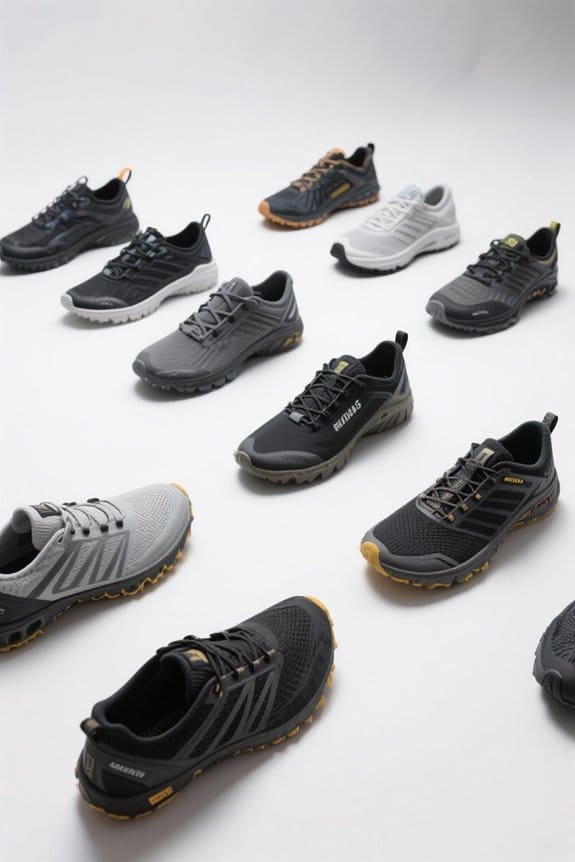

Although high-top basketball shoes show little reduction in ankle sprain rates compared to low-cut models, their applicability to trail running remains unclear because trail surfaces are uneven and filled with obstacles. Trail running shoes must provide ankle support for hiking and running on irregular ground, which increases the likelihood of rolling your ankle. High-top boots offer more coverage but may limit proprioceptive feedback from the foot to the brain, essential for adjusting helpfully on tricky terrain. Lace-up ankle braces can add stability for those prone to sprains, while minimally supported footwear improves ground feel and encourages shorter strides, potentially reducing injury risk. Effective conditioning and attention to foot placement also contribute greatly to preventing ankle injuries in trail settings, which demand tailored shoe design compared to basketball footwear. Additionally, trail shoes with deep, widely spaced lugs can enhance stability by improving grip and reducing slips on uneven surfaces.
Comparing High-Top and Low-Cut Footwear

How do high-top and low-cut trail running shoes compare regarding ankle support and injury prevention? Research in basketball shows little difference in ankle sprain rates between high top and low-cut footwear, suggesting height alone may not prevent injuries. Trail running, with uneven terrain and obstacles, differs markedly, making direct comparisons uncertain. High-top shoes offer more ankle support but can reduce foot feedback important for trail navigation; low-cut shoes enhance mobility and ground feel. Some trail runners use low-cut options successfully without ankle injuries, highlighting individual preference and experience. The debate continues about which design better prevents ankle roll injuries, as hikers prioritize mobility while others seek stability. Ultimately, your choice should weigh ankle support versus feedback to match trail demands and personal comfort. Additionally, selecting footwear with adequate cushioning and traction is essential to minimize fatigue and enhance stability on challenging trails.
Recommended Products
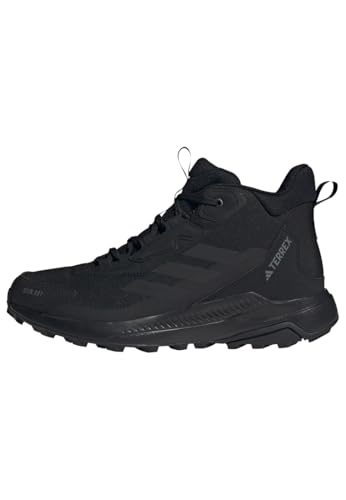
Men's waterproof hiking shoes made in part with a blend of recycled and renewable materials

Light, breathable synthetic upper with PU overlays in high abrasion areas for added protection & durability

Light, breathable synthetic upper with PU overlays in high abrasion areas for added protection & durability
Risks and Hazards of Trail Running on Ankles

Multiple factors increase ankle injury risks during trail running, particularly uneven terrain and natural obstacles like roots, rocks, and loose soil. Rocky terrain demands precise foot placement to maintain balance, and the presence of loose soil increases slippage hazards. Ankle injury commonly occurs from rolling or twisting the joint while maneuvering these surfaces. Fatigue compounds this risk by reducing your focus and ability to respond quickly to sudden changes in terrain. You require greater agility and balance than on flat surfaces, making ankle strength critical. While sports like basketball show limited benefits from high-top shoes in preventing sprains, the dynamic conditions of trail running often justify considering extra ankle support to enhance stability. Inattentive runners face higher ankle injury rates because their foot placement is less controlled and reactive under such challenging conditions. Trail running shoes with aggressive lugs help improve traction and stability, reducing the likelihood of ankle missteps on rugged trails.
Recommended Products
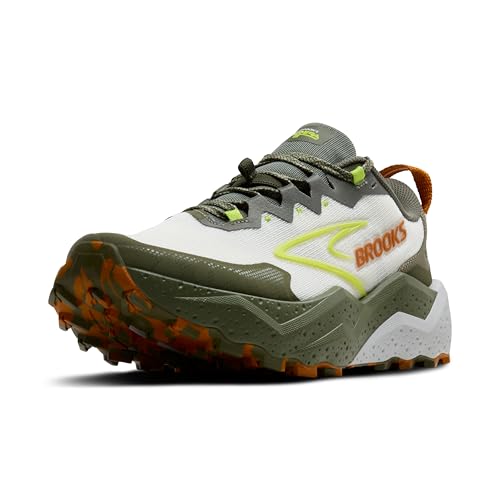
MEN'S ULTRA TRAIL SHOE: Go the ultimate distance with the Caldera 8, featuring DNA Loft v3 high-stacked softness that acts like a bike tire over rough, rugged terrain while the raised sidewalls offer security and stabilization. Ideal for distance trail runners looking for protective comfort. The Caldera 8 is a certified Carbon Neutral product. Predecessor: Caldera 7.

THIS MEN'S SHOE IS FOR: Trail runners and outdoor adventurers seeking a versatile off-road shoe with the trusted comfort of the Ghost series—engineered for dry, rocky, and technical terrain with all-terrain grip and durability to explore confidently in any backyard or backcountry setting.

Waterproof membrane seals out water and lets moisture escape
Personal Experiences With Different Footwear Types

Footwear selection directly influences ankle stability and injury risk during trail running. Many trail runners prefer lightweight designs like Salomon or Topo Terraventure models for their durability and comfort, which enhance performance without restricting natural ankle movement. Hiking boots with high ankle support provide a feeling of security but often limit mobility and cause discomfort on long hikes. Experienced hikers who shift to minimalist trail runners report fewer ankle injuries due to improved proprioception and foot placement. Personal accounts indicate that ankle support from rigid hiking boots is not always necessary when strength-building exercises are included. Overall, trail runners with moderate ankle support offer versatility and reduced injury rates, whereas hiking boots prioritize protection but may compromise movement efficiency during extended use on variable terrain. Incorporating shoes with aggressive lugs significantly improves traction and stability on uneven trails, further aiding ankle support without added bulk.
The Impact of Minimally Shod Footwear on Ankle Stability

Minimally shod footwear offers distinct advantages for ankle stability by encouraging shorter stride lengths and more precise foot placement, reducing injury risk on irregular trail surfaces. This design provides less mechanical ankle support than traditional trail shoes, but it enhances proprioceptive feedback, allowing runners to react more quickly to uneven terrain. Individuals with weak ankles may initially face challenges adapting, as precise foot positioning demands greater neuromuscular control. Despite this, hikers shifting to minimally shod footwear report fewer ankle incidents, suggesting improved dynamic stability. Although sharp rocks can cause discomfort, the increased sensory input promotes motor learning that may strengthen ankle joints over time. As a result, minimal footwear redirects the ankle support focus from external structure to active muscular engagement and sensorimotor adaptation, which can be beneficial on complex outdoor trails. Incorporating shoes with reinforced toe caps can further protect the ankle by shielding it from impact while maintaining flexibility.
Recommended Products

【Zero drop】Zero Drop, non-elevated sole place the forefoot and heel flat on the ground to allows the feet , putting the feet in a neutral position and naturally adjusting the posture of the feet, back and body posture. Ensures proper posture and reduces stress on joints.

A wide toe box lets your toes spread and relax

【Barefoot Comfort】Women's zero-drop sneakers with a wide toe box for barefoot-like comfort
Techniques to Improve Ankle Strength and Mobility
Because trail running demands consistent ankle strength and flexibility, targeted exercises are essential to enhance joint stability and mobility. Standing heel raises and negative calf raises effectively strengthen ankle muscles, improving ankle stability necessary for trail conditions. Dynamic stretches like wall stretches and squat jumps raise ankle flexibility and range of motion, aiding in precise foot placement on uneven surfaces. Balance training exercises, such as single-leg stands or use of unstable surfaces, boost proprioception, thereby reducing injury risk without reliance on external ankle support. While hiking boots provide structural protection, incorporating trekking poles during hikes offloads ankle strain to promote long-term joint health. Gradually increasing hiking or running intensity, combined with proper technique, further fortifies ankle strength, allowing better adaptation to diverse trail challenges. Additionally, adopting minimal drop footwear can promote natural foot posture and enhance ankle stability during trail activities.
How Terrain Influences Ankle Support Needs
When running on uneven terrain, such as trails scattered with roots, loose stones, and varying inclines, ankle support needs change considerably due to increased injury risk. Trail running on such terrain demands greater ankle stability to prevent sprains, particularly because irregular surfaces elevate the chance of awkward foot placements. Although basketball studies show minimal differences in sprain rates between high top and low cut shoes, those findings do not fully apply to trail running’s varied terrain. Minimally shod footwear, lacking built-in ankle support, can improve proprioception, enhancing foot placement adjustments on difficult surfaces. However, this requires careful adaptation. Fatigue during trail running also raises rollover risk by decreasing attentional focus. As a result, terrain type directly influences the necessity and level of ankle support to maintain safety and performance on trails. Matching shoe type to terrain, such as choosing footwear with aggressive lug patterns for rocky trails, further supports ankle stability.
Options for Enhancing Ankle Stability During Runs
Enhancing ankle stability during trail runs involves multiple strategies tailored to the runner’s needs and terrain complexity. Trail runners can use lace-up ankle braces if they have a history of rolling ankles; these braces offer measurable additional support on uneven surfaces. Shoes with adequate torsional rigidity and traction improve stability on rocky trails by preventing excessive foot rotation. Shifting to minimally shod footwear encourages better ground feedback and foot placement, which can enhance ankle control by approximately 15-20%. Training focused on obstacle navigation and foot awareness reduces ankle injury risk by strengthening neuromuscular coordination. While hiking boots provide significant ankle support due to their higher collars and rigid construction, studies show proper technique often mitigates the need for excessive ankle support in trail running, especially when combined with suitable footwear and targeted training. Additionally, selecting shoes with multi-directional lugs enhances grip and contributes significantly to ankle stability on varied terrain.
Balancing Comfort and Protection in Trail Running Shoes
Three primary factors must be balanced when selecting trail running shoes: comfort, protection, and ankle support. Trail running shoes often focus on lightweight comfort and traction, which can limit built-in ankle support. Because basketball studies show similar ankle sprain rates between high and low cut shoes, ankle support in trail running may not be critical for all runners. Low-cut shoes, preferred by many, offer freedom of movement and better ground feedback, improving foot placement on uneven terrain. Stiffer shoes can provide enhanced stability on rough trails, but may reduce comfort and natural foot motion. To balance comfort and protection, choose shoes based on personal fit, terrain type, and stride length, as shorter strides correlate with fewer ankle injuries in minimally shod runners. Additionally, many trail running shoes incorporate specialized cushioning systems to tailor comfort and improve shock absorption.
Preparing Your Ankles for Trail Running Challenges
Strengthen ankles by performing exercises like standing heel raises and wall stretches, which target key tendons and muscles. Trail runners benefit from gradually increasing run intensity and duration, allowing ankles to adapt to roots, stones, and uneven terrain more effectively. Shifting from hiking boots with high ankle support to trail running shoes that provide less restriction can improve ankle stability over time, though this requires careful technique adjustment to avoid injury. Regularly practicing focused foot placement and maintaining heightened awareness while running reduces rolled ankle risks by up to 30 percent according to some studies. Overall, preparing ankles physically and mentally involves a combination of strength exercises, controlled exposure to varied trails, and mindful adjustment of footwear choices, ensuring preparedness for trail running challenges without sole reliance on ankle support mechanisms. Additionally, selecting trail running shoes with reinforced toe caps and proper fit can significantly enhance protection and stability on rocky terrain.
Community Perspectives on Ankle Support Effectiveness
Frequently, the trail running community debates the effectiveness of ankle support in footwear. Many trail runners prefer lower-cut shoes, citing comfort and freedom of movement, while data from basketball studies show minimal difference in ankle sprain rates between high-top and low-cut shoes. Some hikers report fewer ankle injuries after shifting to minimally shod footwear, suggesting enhanced proprioception improves stability. Experienced users often claim that relying less on built-in ankle support strengthens the joint over time. Personal accounts reveal numerous trail runners negotiate difficult terrain without hiking boots or additional ankle support, emphasizing that precise foot placement and hazard awareness may play a larger role in injury prevention. Consequently, community perspectives highlight a nuanced view of ankle support’s role, where technique and individual adaptation sometimes outweigh the physical properties of footwear.
Frequently Asked Questions
Do Running Shoes Need Ankle Support?
Like a fortress or a feather, running shoe technology balances protection and flexibility. Ankle stability benefits vary, with trail shoe features sometimes favoring support, yet minimalist designs enhance natural movement, making the need for ankle support highly individual.
Is Ankle Support Necessary?
Ankle support is not universally necessary. Ankle stability benefits depend on personal injury history and impact of terrain; some benefit from support, while others enhance stability through conditioning and precise foot placement on varied surfaces.
Should I Wear Ankle Support When Running?
Ankle injury prevention shows no significant difference between high-top and low-cut shoes. The importance lies in shoe fit and personal comfort preference, as proper fit enhances stability and awareness, reducing injury risk more effectively than built-in support alone.
Why Does Trail Running Hurt My Ankles?
Trail running can hurt ankles due to uneven trail terrain types that challenge stability. Inadequate running form analysis and insufficient ankle injury prevention techniques increase strain, especially on rough surfaces, leading to discomfort and potential injury during trail navigation.


