As an Amazon Associate, we earn from qualifying purchases. Some links on this site are affiliate links at no extra cost to you. Our recommendations are based on thorough research and editorial judgment.


Barefoot Shoes vs. Traditional Sneakers for Everyday Use

Barefoot shoes have flexible soles, zero-drop design, and wide toe boxes that support natural foot movement and posture. Traditional sneakers feature elevated heels and narrow toe boxes, offering cushioning but restricting toe splay and weakening foot muscles. Barefoot shoes stimulate intrinsic foot muscles and improve balance, but require a gradual adaptation to avoid soreness. If you prioritize foot health and natural biomechanics, barefoot designs offer benefits, while traditional shoes provide more support for impact absorption. Further details explain progression steps and lifestyle considerations.
Key Takeaways
- Barefoot shoes promote natural foot movement with flexible soles and wide toe boxes, while traditional sneakers provide more cushioning and elevated heels.
- Zero-drop barefoot shoes improve posture and strengthen foot muscles, unlike traditional sneakers that may encourage dependence on external support.
- Barefoot shoes enhance sensory feedback and balance, benefiting coordination during everyday activities compared to traditional sneakers.
- Transitioning to barefoot shoes requires gradual adaptation to prevent discomfort, whereas traditional sneakers typically need no adjustment period.
- Choosing between barefoot shoes and traditional sneakers depends on foot health goals, activity types, and preference for natural biomechanics versus cushioning.
Why Design Matters: Natural Mechanics vs. Built-in Support
You may be interested
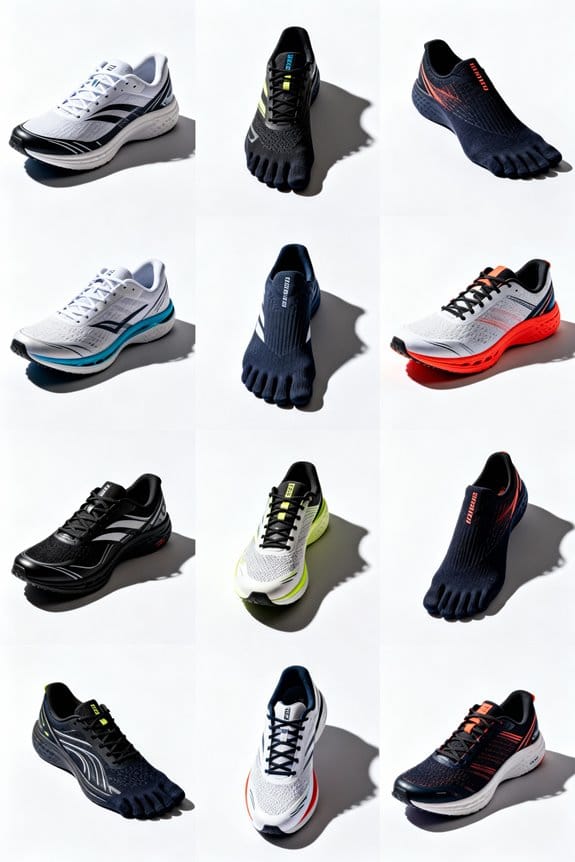

Compare the design features of barefoot shoes and traditional sneakers to understand their differing impacts on foot mechanics. Barefoot shoes use flexible soles and a zero-drop design to promote natural mechanics, enabling better foot-ground interaction. They feature a wide toe box that allows toes to spread naturally, enhancing balance and push-off power. Traditional sneakers, however, typically have elevated heels and narrow toe boxes, which provide external support but restrict toe movement. This design can lead to weakened intrinsic foot muscles because the foot relies on the shoe’s support rather than its own musculature. Barefoot shoes facilitate improved overall foot function and posture by engaging natural muscle activity, while traditional sneakers may compromise foot health by limiting natural motion and fostering dependency on built-in support systems instead of promoting intrinsic strength and alignment. Additionally, the zero-drop sole design of barefoot shoes helps maintain proper posture and strengthens foot muscles over time.
Biomechanics and Body Effects of Barefoot Shoes

The biomechanics of barefoot shoes considerably influence foot function and overall body alignment. Barefoot shoes offer improved foot mechanics by stimulating intrinsic foot muscles, which increase foot strength and support stronger arches. Their design allows natural movement and enhanced toe splay, promoting better balance and push-off during walking or running. The zero-drop sole provides better posture by aligning the body properly and reducing compensatory movements. Enhanced sensory input, through improved ground feel, heightens coordination and body awareness. These biomechanical benefits often result in reductions in chronic foot pain, as reliance on external support decreases and foot mechanics normalize. Overall, barefoot shoes facilitate a more natural gait pattern while encouraging healthier biomechanics that support greater foot function and contribute to improved postural alignment. Their wide toe box design is essential in allowing toes to spread naturally, enhancing stability and comfort throughout daily activities.
Recommended Products

Wide Toe Box:Minimalist shoes feature a wide toe box that allows your toes to spread naturally, freeing up your toes for extra comfort. Enjoy the freedom of barefoot movement while taking the pressure off your feet.

【Wide toe box】: These EWUHA barefoot shoes womens footwear mens barefoot shoes for walking provides your toes the space they need and allows them to relax in their natural position

【Barefoot Comfort】Women's zero-drop sneakers with a wide toe box for barefoot-like comfort
Comfort and Adaptation in Daily Wear

Improved foot mechanics influence comfort during daily wear of barefoot shoes. These shoes feature a wide toe box that allows for natural toe splay, which differs from traditional sneakers that often have tapered toe boxes causing discomfort. The zero-drop sole promotes better posture and foot alignment, which can reduce chronic foot pain common with elevated heels in traditional footwear. Comfort improves gradually as the intrinsic foot muscles strengthen through a gradual shift. Users are advised to start with short durations to adapt their foot mechanics, minimizing discomfort during adaptation. Over time, barefoot shoes may decrease foot fatigue by enhancing arch support, while traditional sneakers rely on cushioning that can weaken foot muscles. This adaptation period is essential for achieving the grounded comfort barefoot shoes offer in everyday use. Additionally, the use of breathable materials in barefoot shoes helps keep feet dry and comfortable throughout daily activities.
Recommended Products

Minimalist casual style meets natural way of walking

【Zero drop】Zero Drop, non-elevated sole place the forefoot and heel flat on the ground to allows the feet , putting the feet in a neutral position and naturally adjusting the posture of the feet, back and body posture. Ensures proper posture and reduces stress on joints.

👣 Natural Barefoot Experience – Womens Barefoot Shoes Engineered with a Zero Drop sole and wide toe box, these barefoot shoes for women promote a natural foot posture and barefoot-like ground feel. Ideal for improving balance and posture during everyday wear, walking, or light workouts.
Fleeters’ Philosophy: Osteopath Expertise and Sustainability

When selecting footwear, understanding Fleeters’ design philosophy can guide you toward options that support foot health and environmental responsibility. Fleeters’ barefoot shoes incorporate osteopath expertise to promote natural movement and optimize foot mechanics, which strengthens foot muscles and reduces injury risk. Their anatomical fit allows the shoes to conform exactly to the foot’s shape, enhancing both comfort and performance during daily use. The brand also emphasizes sustainability by using eco-recycled and vegan materials, which minimizes environmental impact without sacrificing durability. By supporting intrinsic foot function through thoughtful design, Fleeters encourages improved posture and balanced biomechanics. Combining functional benefits with aesthetic appeal, their footwear offers a practical choice for consumers focused on foot health and sustainability in everyday activities. Additionally, the use of zero-drop soles helps promote natural foot alignment and better biomechanics essential for daily wear.
Key Differences Between Barefoot Shoes and Traditional Sneakers

Footwear choices influence foot mechanics and overall health through design features that either support or restrict natural movement. Barefoot shoes feature a zero-drop sole and wide toe box, which allow natural toe splay and enhance foot strength by minimizing cushioning. In contrast, traditional sneakers have elevated heels and tapered toe boxes that often restrict foot mechanics and promote reliance on excessive cushioning and arch support, potentially weakening foot muscles over time. Barefoot shoes use flexible soles to improve balance and coordination by providing better ground feedback, while traditional sneakers have more structured soles that may alter natural gait. Shifting to barefoot shoes requires gradual adaptation to avoid discomfort, whereas traditional sneakers generally do not. Postural issues can arise from prolonged use of traditional sneakers due to their design limitations. Additionally, conductive outsoles in barefoot shoes enable grounding benefits that traditional sneakers lack.
Recommended Products
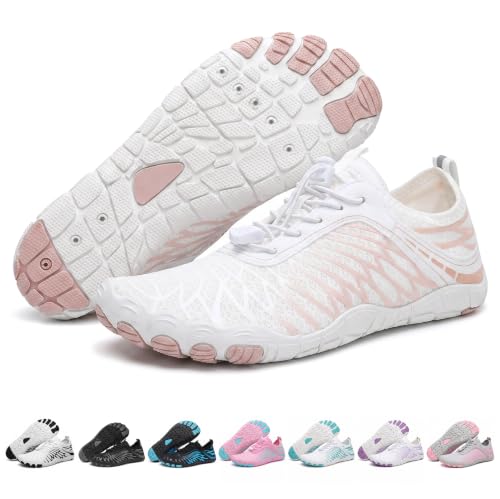
Barefoot Shoes - These Unisex Barefoot Shoes are soft and light, with an elastic band closed design, easy to put on and take off. These essential shoes can take you anywhere you want to go. Our barefoot minimalist shoe gives your feet a true barefoot feel with stretch, which means you can keep relaxed at all times. So you can enjoy the beautiful outdoors while keeping yourself comfortable and fashionable. Many colors and sizes to choose from!

【Barefoot Feeling & Comfort】 Experience the freedom of walking, running, or moving naturally with our barefoot-focused design.The ultra-thin, flexible sole maximises ground feel, allowing your feet to move as nature intended while eliminating the bulk of traditional shoes for a lightweight, unrestricted experience.Breathable materials keep feet cool and comfortable

How Barefoot Shoes Influence Posture and Movement
Because barefoot shoes employ a zero-drop sole, they maintain the body’s natural alignment by preventing the forward tilt caused by elevated heels typical in traditional sneakers. This design supports better posture by encouraging a natural gait and reducing compensatory movements that often lead to muscle fatigue. The wide toe box in barefoot shoes allows for natural toe splay, which enhances balance and stability, unlike the narrow toe box of traditional sneakers. Thin, flexible soles improve ground feedback, boosting proprioception and body awareness during movement. This increase in sensory input stimulates muscle activation in the feet, strengthening intrinsic foot muscles and improving overall foot mechanics. Consequently, barefoot shoes may reduce the risk of movement-related injuries by promoting efficient movement patterns aligned with natural biomechanics. Additionally, the flexible soles with ideal thickness between 3-6 mm optimize ground feedback and flexibility, enhancing the barefoot experience.
A Step-by-Step Plan for Transitioning Safely
Although adopting barefoot shoes offers biomechanical benefits, a gradual change is essential to avoid injury and guarantee adaptation. Begin by wearing barefoot shoes for 30–60 minutes daily on soft surfaces, allowing your feet to adjust naturally from traditional shoes. Incorporate foot exercises, including toe curls and balance drills, to promote stronger muscles within your feet. Gradually increase wearing barefoot time over weeks, aiming for several hours by weeks 5–8. Pay close attention to sensory feedback; mild soreness is expected, but sharp pain signals a need to pause and reassess your change safely. Start walking in supportive environments and progress to more challenging terrains as comfort improves, ensuring a smooth, injury-free adaptation that enhances comfort and foot strength over time. It is also important to consider that minimal cushioning impacts shock absorption, so transitioning gradually helps your body adjust to the change effectively.
Recommended Products

Wide Toe Box - Give your toes room to spread, move, and relax. These barefoot shoes feature a roomy, anatomically shaped, wide toe box that reduces foot fatigue, prevents pain, and eases pressure, making every step more comfortable and natural.

Wide Toe Box: HOBIBEAR barefoot shoes feature a specially designed wide toe box that prevents toe compression and enhances overall comfort during physical activities.

Wide toe box for optimum toe space, foot returns to natural shape
Choosing the Right Footwear for Your Lifestyle and Feet
How should one determine the appropriate shoes based on activity and foot structure? Begin by evaluating your primary activities and foot health goals, since barefoot shoes promote natural movement with a zero-drop design that supports posture and alignment. Barefoot shoes feature a wide toe box, enabling natural toe splay and reducing bunion risk. Traditional sneakers offer cushioning, support, and often a heel-to-toe drop that may alter gait. For a comfortable fit, confirm barefoot shoes accommodate your foot’s natural shape to facilitate foot muscle adaptation during adjustment periods, typically 30-60 minutes daily. If cushioning or style is a priority, traditional sneakers might suit some lifestyles. Balancing foot health, activity demands, and shoe characteristics confirms footwear choice promotes comfort, function, and long-term foot integrity without compromising natural biomechanics. Additionally, choosing shoes with non-slip rubber soles can improve safety and performance across various surfaces.
Recommended Products

Wide toe box for pressure relief: These women's barefoot shoes feature a spacious toe box designed to follow the foot's natural anatomy. It frees your toes to move naturally, reduces pressure points and potential injuries, and enhances walking balance and stability. It also effectively eases foot pressure, delivering all-day comfort with every step.

【Barefoot Comfort】Women's zero-drop sneakers with a wide toe box for barefoot-like comfort
Frequently Asked Questions
Are Barefoot Shoes Better Than Sneakers?
Barefoot shoes often provide superior barefoot benefits, promoting natural movement and enhanced foot stability, improving foot health and injury prevention. However, sneaker support offers immediate comfort; activity suitability and lifestyle impact determine the ideal shoe design in comfort comparison.
Are Barefoot Shoes Good for Everyday Use?
Comfort level meets natural movement; barefoot shoes offer superior sole flexibility, improved foot posture, and weight distribution. While cushioning differences exist, their arch support aids injury prevention. Style options suit everyday activities, balancing function and form seamlessly.
What Do Physical Therapists Say About Barefoot Shoes?
Physical therapists highlight barefoot benefits such as enhanced natural movement, improved arch strength, and sensory feedback. They note barefoot shoes promote toe splay, flexibility training, injury prevention, balance improvement, and superior foot health compared to conventional sneaker support.
Do Podiatrists Recommend Going Barefoot?
Like a knight favoring armor, podiatrists cautiously recommend going barefoot to promote foot health, natural movement, and toe alignment. Benefits include sensory feedback, improved foot strength, posture improvement, and injury prevention, though arch support and gradual change remain essential.


