As an Amazon Associate, we earn from qualifying purchases. Some links on this site are affiliate links at no extra cost to you. Our recommendations are based on thorough research and editorial judgment.


How to Choose Road Running Shoes Based on Footstrike Pattern

Choose road running shoes by identifying your foot strike: rearfoot (heel), midfoot, or forefoot. Rearfoot strikers (94%) require high drop shoes (8-12 mm) with cushioning and stability to reduce knee stress. Midfoot strikers benefit from neutral shoes with moderate drop (5-8 mm) for balanced impact distribution. Forefoot strikers need low drop shoes (1-4 mm) that provide flexibility and calf support. Proper matching reduces injury risk; understanding these details guides effective shoe selection and performance optimization. More specifics clarify this process.
Key Takeaways
- Identify your foot strike type: heel (RFS), midfoot (MFS), or forefoot (FFS) before selecting shoes.
- Choose high-drop (8-12 mm) stability shoes with cushioning for heel strikers to absorb impact and reduce knee stress.
- Opt for neutral shoes with moderate cushioning and mid-drop (5-8 mm) for midfoot strikers to support even weight distribution.
- Select low-drop (1-4 mm) flexible shoes with cushioning for forefoot strikers to manage calf tension and promote natural stride.
- Match shoes with foot strike patterns and transition gradually to avoid injury and ensure proper support and comfort.
Understanding the Three Types of Foot Strike
You may be interested


Although runners exhibit various foot strike patterns, three main types define their landing mechanics: forefoot strike (FFS), midfoot strike (MFS), and rearfoot strike (RFS). Rearfoot strike, where heel striking occurs first, is most common, found in roughly 94% of runners, especially in long-distance running. Forefoot strike involves landing on the ball of the foot, which can reduce the impact on knees but may increase calf tension. Midfoot strike, contacting with the outside edge of the midfoot, offers balanced weight distribution, beneficial for longer distances. Each foot strike pattern influences running form, how force distributes through the legs, and injury risk. Understanding your specific foot strike is crucial for shoe selection because proper cushioning and design support differing strike types, potentially preventing pain and enhancing performance. Selecting shoes with gel cushioning technology can effectively absorb impact and improve comfort according to your foot strike pattern.
Characteristics and Impact of Heel Strike

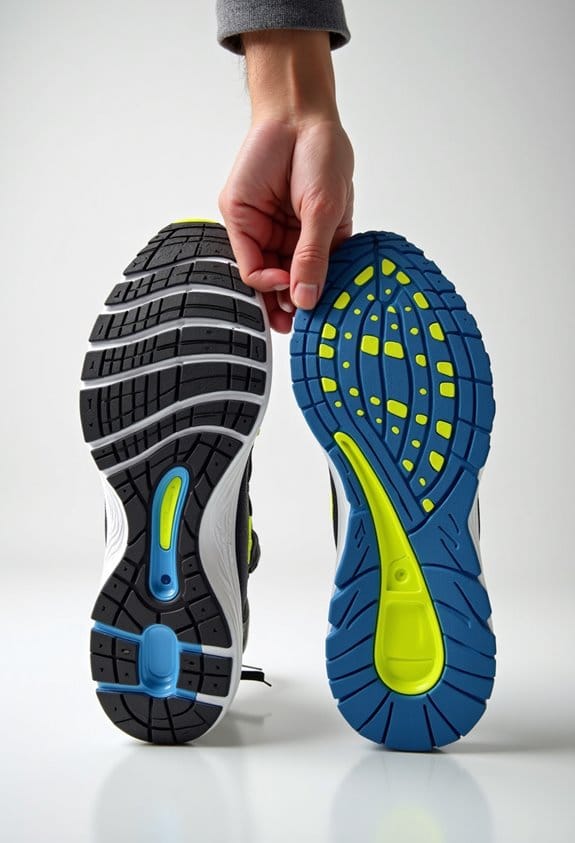
Heel strike, also known as rearfoot strike, occurs when a runner lands first with the heel, which is the case for about 94% of runners. This foot strike pattern leads to greater impact forces transmitted through the legs, resulting in stress on the knees and lower back due to landing mechanics. Heel strikers face higher injury risks, including knee pain, foot pain, shin splints, and Achilles tendon issues, especially if overpronation is present. Research shows rearfoot strikers are 2.6 times more likely to sustain mild injuries and 2.4 times more likely to experience moderate injuries compared to other foot strike patterns. To reduce injury risks, shoe support with adequate cushioning is essential, as it absorbs shock and stabilizes the foot during heel strike, helping mitigate impact forces and discomfort. Running shoes with solid rubber outsoles also contribute to injury prevention by enhancing durability and traction on varied road surfaces.
Features of Midfoot Strike and Suitable Shoes

A midfoot strike involves landing primarily on the ball of the foot, with the heel making light, secondary contact. This results in a more even distribution of weight across joints, reducing injury risk. Shoes designed for midfoot strike runners often include Neutral Running Shoes or Low Drop/Minimal Shoes, which provide significant flexibility and support a natural running motion. Proper shoe fitting is essential to accommodate this striking pattern. Midfoot strikers benefit from a shoe sole that balances cushioning and ground feel to maintain stability and comfort during runs. Shifting to this footstrike often involves increasing cadence to about 170-180 steps per minute, which helps lower impact forces. Selecting appropriate footwear facilitates adjusting to the midfoot strike and sustains efficient, injury-reducing biomechanics. It is also important to consider shoes with advanced cushioning materials that enhance energy return for improved performance and comfort.
Recommended Products
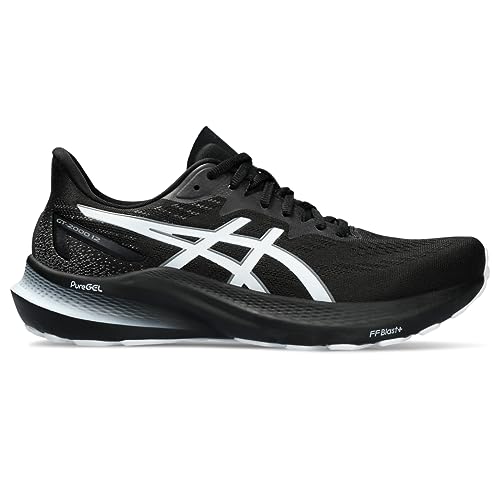
Jacquard mesh upper: Offers a supportive and comfortable kickstand


FuelCell foam delivers a propulsive feel to help drive you forward
Forefoot Strike: Key Considerations for Shoe Choice
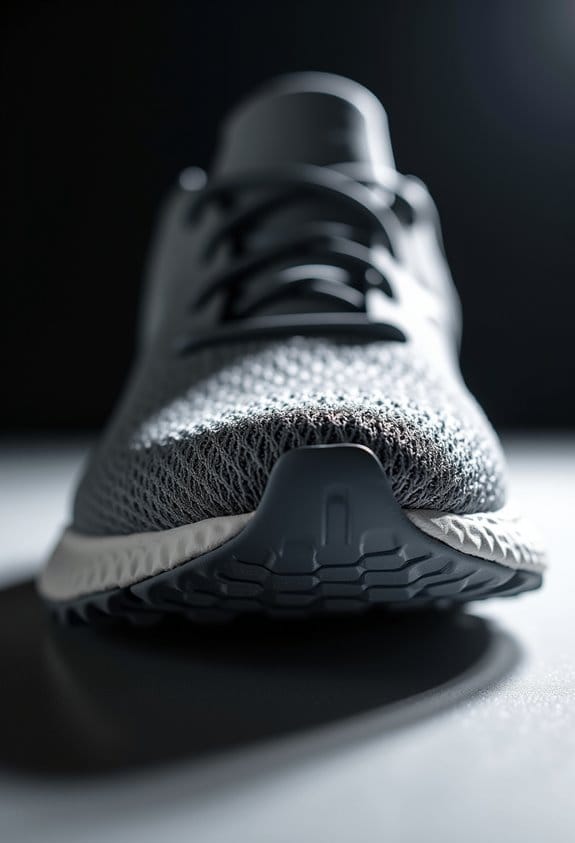
Forefoot strikers benefit from shoes that feature a low heel-to-toe drop, typically between 1 and 4 millimeters, which encourages a more natural stride while reducing strain on the Achilles tendon and calves. Neutral running shoes with this heel-to-toe drop provide the necessary flexibility, allowing the foot to move naturally during each step. Because forefoot strike patterns often increase calf tension, shoes with adequate cushioning and support are essential to prevent injuries such as Achilles tendinopathy and metatarsal fractures. A lightweight design further enhances performance by minimizing weight without sacrificing comfort or protection. Gradual adaptation to this shoe type is advised to manage calf tension effectively. Selecting footwear that balances these factors supports injury prevention and optimizes running efficiency for forefoot strikers. Trail running shoes like the New Balance Dynasoft Tektrel offer cushioning and adaptable traction that can benefit forefoot strikers transitioning to trail or mixed terrain running.
Recommended Products


Updated 4D Guidance System for optimal stability

Cordura mesh and TPU upper
How Heel-to-Toe Drop Influences Running Shoe Selection

When selecting running shoes, understanding the heel-to-toe drop is essential because it directly impacts running mechanics and injury risk. The heel-to-toe drop measures the height difference between the heel and forefoot. High drop shoes (8-12mm) suit heel strikers by offering extra cushioning, which absorbs the increased impact from heel strikes. Mid drop shoes (5-8mm) provide versatility, fitting various foot strike patterns, and benefiting both beginners and experienced runners. Low drop shoes (1-4mm) are preferred by forefoot strikers as they promote a natural stride, but can increase strain on the Achilles tendon and calves. Adjusting shoe selection according to your foot strike pattern and heel-to-toe drop can optimize your running performance and reduce the risk of injury by aligning footwear with your biomechanical needs. Additionally, considering the foam midsole cushioning used in shoes can enhance comfort and impact protection tailored to your footstrike pattern.
Recommended Products
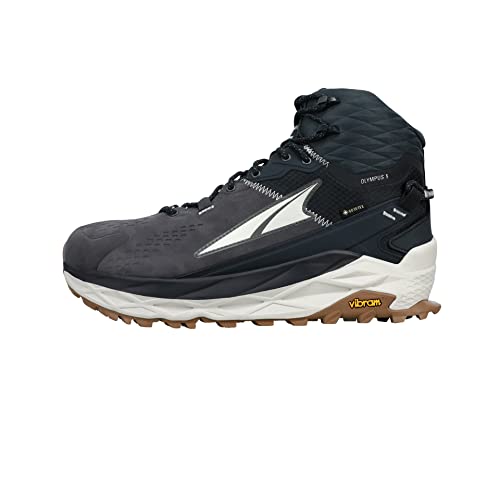
Mass: 18.6 oz/ 528 g
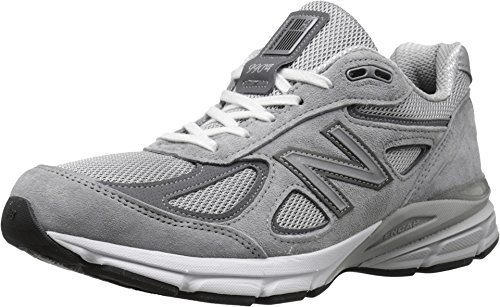
12 mm drop: due to variances created during the development and manufacturing processes, all references to 12 mm drop are approximate

It improves shock absorption and guarantees a softer feel when supported
Cushioning and Stability Needs by Foot Strike Pattern
Cushioning and stability requirements vary considerably depending on the foot strike pattern. Heel strikers need shoes with significant cushioning and stability features to manage shock absorption and control overstriding. These runners typically benefit from a high heel drop of 8-12mm, which eases the shift from heel to toe and aligns the foot during running gait. Midfoot strikers, meanwhile, require neutral shoes offering moderate cushioning to balance support and comfort without excess stability that might disrupt their natural running gait. Forefoot strikers favor lightweight shoes with minimal cushioning and low drop, enhancing foot agility since they rely on calf muscle propulsion. Examining wear patterns on existing shoes helps identify foot strike, ensuring the selection of ideal cushioning and stability for injury prevention and efficient running performance. Additionally, choosing shoes with advanced cushioning technologies like FF BLAST MAX or Helion™ Superfoam can further enhance energy return and responsiveness for different foot strike styles.
Recommended Products

Fresh Foam midsole cushioning is precision engineered to deliver an ultra-cushioned, lightweight ride


Mesh and TPU upper Traditional lace closure External rear sling locks in the heel Breathable mesh lining Integrated EVA foam insole Merrell Barefoot 2 construction is designed to keep the foot in a natural position Rock plate for protection Lightweight EVA foam midsole for stability and comfort Vibram TC5+ rubber sole
Identifying Your Foot Strike Pattern Accurately
Several methods exist to identify your foot strike pattern accurately, which is essential for selecting appropriate running shoes. One option is to examine shoe wear patterns: medial wear indicates overpronation, while lateral wear points to supination. Another approach involves gait analysis, using professional video or running on a treadmill before a mirror to observe first contact. A simple field test requires running barefoot on a flat surface, noting whether you land on your heel, midfoot, or forefoot. Approximately 94% of runners are heel strikers, so focusing on heel strike analysis can help many. Understanding how your foot rolls—neutral, overpronation, or supination—determines the best type of running shoes that support your natural gait and improve performance. Choosing shoes with the right stability control features can minimize excessive foot motion and reduce injury risk based on your foot strike pattern.
Transitioning Foot Strike: When and How to Consider It
Why might a runner consider changing their foot strike pattern? Typically, altering foot strike is advised for heel strikers experiencing discomfort or injury. Most runners achieve comfortable running by maintaining their natural foot patterns, so changing foot strike is unnecessary unless pain occurs. When adjusting foot strike, for example to midfoot or forefoot, footwear modifications are essential because standard running shoes may not provide adequate support for the new foot strike. Such changes carry an increased injury risk if done abruptly or without proper running form modifications, including cadence and strength training. As a result, adopting a new foot strike should be gradual and combined with appropriate running shoes designed to accommodate the altered biomechanics, minimizing injury risk while promoting efficient movement during runs. Choosing shoes with suitable cushioning can help absorb impact forces and support the changed foot strike effectively.
Matching Running Shoes to Your Foot Strike for Performance and Injury Prevention
Selecting running shoes that align with your foot strike pattern plays a significant role in performance and injury prevention. Heel strikers, who represent about 94% of runners, require stability shoes with cushioning and arch support to absorb rearfoot impact and reduce knee pain risk. Forefoot striking runners, though less common at 1.4%, benefit from low-drop or neutral running shoes that promote a natural stride while offering flexibility and comfort to prevent Achilles issues. Midfoot strikers need neutral shoes with moderate cushioning for an efficient gait and lower injury rates. Choosing the right running shoes tailored to your foot strike pattern can enhance performance by up to 5% and reduce common injuries, making injury prevention and optimized performance achievable through informed shoe selection. Many runners find that shoes with innovative cushioning technologies like Fresh Foam or DNA Loft provide an ideal balance of comfort and responsiveness aligned with their foot strike needs.
Recommended Products


THIS WOMEN'S SHOE IS FOR: The Glycerin GTS 20 is for runners who think there is no such thing as too much cushioning but require additional support from our trusted GuideRails which helps to guide your body in its natural path of motion while keeping excess movement in check. This Brooks Glycerin GTS 20 is a certified PDAC A5500 Diabetic shoe and has been granted the APMA Seal of Acceptance. We recommend ordering Brooks running shoes 1/2 to one size larger than your dress shoe.
Frequently Asked Questions
How Often Should I Replace My Running Shoes?
Running shoes should typically be replaced every 300-500 miles, accounting for shoe lifespan, material durability, and cushioning needs. Mileage tracking, running terrain, foot health, style preference, budget considerations, seasonal changes, and purchasing frequency also influence replacement timing.
Can Orthotics Influence My Ideal Running Shoe Choice?
Orthotic types and arch support greatly influence shoe fit, cushioning needs, and footbed design. They affect running gait, comfort level, and injury prevention, highlighting the importance of customization options and material choice in selecting the ideal running shoe.
Do Weather Conditions Affect Which Running Shoes to Choose?
Like a sailor adjusting sails to changing winds, runners must adapt shoe choice to weather impact; factors like shoe traction, moisture resistance, temperature adaptability, and breathability needs shift with seasonal changes, rainy conditions, sun exposure, terrain influence, and overall climate considerations.
Is Shoe Weight Important for Different Foot Strike Patterns?
Shoe weight influences footstrike patterns by affecting foot fatigue and performance enhancement. Lightweight shoes with ideal cushioning, heel height, midsole flexibility, and stability features improve weight distribution, injury prevention, and comfort across varying running terrain and breathable materials.
How Do Trail Running Shoes Differ From Road Running Shoes?
Trail running shoes embrace rugged elegance through enhanced grip requirements, durability factors, and stability aspects for uneven terrain considerations. They feature robust cushioning differences, reduced breathability needs, slightly higher weight differences, sacrificing speed preferences but boosting versatility potential compared to road shoes.