As an Amazon Associate, we earn from qualifying purchases. Some links on this site are affiliate links at no extra cost to you. Our recommendations are based on thorough research and editorial judgment.


Seasonal Shoe Rotation: Hot Weather vs. Cold Weather Footwear Needs

Seasonal shoe rotation adapts to foot size changes caused by temperature fluctuations, as feet swell up to 1 centimeter in hot weather and contract in cold. Hot weather shoes prioritize breathability using mesh and quick-dry fabrics, with cushioned footbeds to prevent blisters. Cold weather footwear focuses on insulation with materials like Thinsulate, waterproofing, and rubber soles for traction on ice. Rotating shoes biannually maintains hygiene, supports foot health, and accommodates seasonal needs. Further details cover specific footwear features and maintenance techniques.
Key Takeaways
- Hot weather footwear emphasizes breathability, moisture control, and lightweight cushioning to prevent swelling, blisters, and fungal infections.
- Cold weather shoes focus on insulation, waterproofing, enhanced traction, and accommodating thicker socks for warmth and stability.
- Seasonal shoe rotation accommodates foot size changes caused by temperature variations, improving fit and comfort throughout the year.
- Rotating at least two pairs per season helps maintain hygiene, regulate temperature, and extend shoe lifespan.
- Proper seasonal footwear selection reduces foot injury risks and supports circulation by adapting to distinct environmental conditions.
How Seasonal Changes Affect Foot Health
You may be interested

Cleaning and Deodorizing Athletic Shoes Without Damaging Materials
December 31, 2025
Cushioning vs. Ground Feel: How to Decide What Works for Your Body
December 31, 2025
How do seasonal changes affect foot health? Temperature variations impact foot swelling, circulation, and skin condition. In hot weather, feet tend to swell as blood vessels expand, increasing shoe size by approximately 0.5 to 1 centimeter, which can cause discomfort if shoes are too tight. Increased sweating creates a humid environment inside shoes, promoting bacterial and fungal growth, which contributes to athlete’s foot. Cold weather causes blood vessels to constrict, reducing circulation and increasing the risk of numbness or frostbite. Consequently, seasonal footwear must provide insulation in cold weather and breathability in hot weather. Proper shoe rotation between seasons maintains foot health by ensuring each pair retains structural support and hygiene, preventing odor buildup and reducing the risk of infections that arise from inappropriate footwear during temperature shifts. Choosing shoes with appropriate cushioning and traction based on seasonal terrain conditions can further help maintain foot comfort and safety.
## Hot Weather Footwear Essentials

Footwear designed for hot weather must prioritize breathability and moisture control to maintain foot health during elevated temperatures. Summer shoes often use breathable materials such as mesh, leather, or canvas to guarantee air circulation and prevent excessive sweating. Open-toe styles maximize airflow, allowing heat to escape and reducing the risk of blisters and fungal infections. Moisture-wicking properties are essential; they absorb sweat to minimize odor and maintain dryness throughout the day. Lightweight sandals and flip-flops commonly feature cushioned footbeds, which provide shock absorption and reduce foot fatigue during extended wear. Adjustable straps on these sandals secure the foot, providing comfort and stability even during vigorous activity. By emphasizing these features, hot weather footwear supports peak foot hygiene and comfort in conditions above 80°F (27°C). Additionally, selecting shoes made from quick-dry fabrics enhances moisture management and keeps feet dry during outdoor activities.
Cold Weather Footwear Essentials

When temperatures drop below 40°F (4°C), the priorities for your footwear shift to protection against moisture, cold, and slippery conditions. Cold weather footwear must feature waterproof construction, often using Gore-Tex membranes, to keep feet dry in snow and slush. Insulation, provided by materials like Thinsulate or shearling, retains warmth without excessive bulk. Enhanced traction is achieved through rubber soles with deep treads, reducing the risk of slipping on icy surfaces. Proper fit is essential for comfort and safety; shoes should allow room for thicker socks but maintain stability. High-top boots and supportive designs offer additional ankle support, which benefits navigation on uneven, slippery terrain. Selecting footwear that combines these elements guarantees functional protection in harsh winter environments. Additionally, choosing boots with a minimum of 200 grams of Insulation ensures adequate warmth retention for cold weather conditions.
Recommended Products
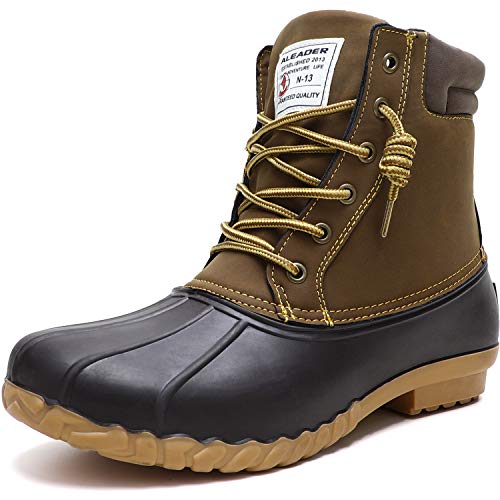
WATERPROOF SHELL: Seam-sealed,waterproof shell offers protection against wetness and keeps your feet dry.

Snow boot featuring a woven collar with dual adjustable buckle straps;

Prepare for the cold weather with our Men's Snow Boots, designed for both extreme winter conditions and rugged outdoor activities. These boots feature a thickened, cotton-filled lining to keep your feet warm and insulated, even in subzero temperatures. Whether you're walking through snow-covered trails or tackling a demanding military training routine, these boots deliver superior comfort and durability.
Importance of Breathability in Summer Shoes

Although summer shoes prioritize style and comfort, breathability remains a critical functional feature. Breathability helps regulate foot temperature by allowing air circulation, which reduces excessive sweating that causes discomfort and odor. Materials like mesh, leather, and canvas increase airflow, keeping feet cool and dry during hot weather. Summer shoes with moisture-wicking insoles draw sweat away from the foot, maintaining a drier environment for a comfortable experience. Adjustable straps and open-toe designs improve ventilation while accommodating foot expansion from heat, preventing tightness. Proper ventilation also lowers the risk of blisters and skin irritations caused by moisture buildup. Prioritizing breathability in summer shoes guarantees you maintain foot health and comfort despite elevated temperatures and prolonged wear in warm conditions. Additionally, quick-drying mesh uppers facilitate moisture release rapidly, enhancing overall comfort during hot weather wear.
Recommended Products
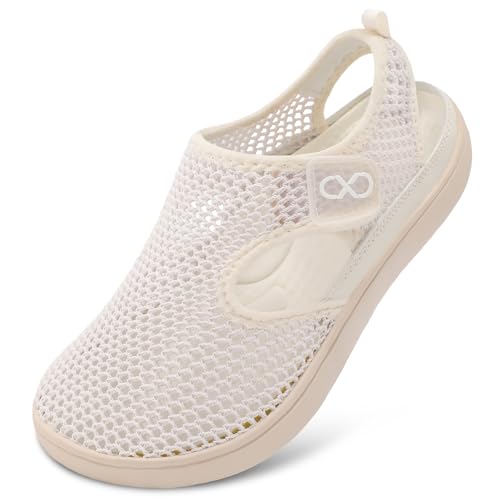
Breathable & Lightweight Mesh Upper: Crafted with large-hole mesh material, promotes 360° airflow for quick drying and enhanced comfort. The lightweight construction reduces fatigue, making it ideal for warm-weather activities

Comfortable to wear:Made of high-quality stretch and soft fabric, which is easy to dry and makes baby wear more comfortable and convenient

【Breathable & Stretchy fabric】BABUDOG Womens flats shoes are comfortable since they are made out of a stretchy mesh fabric.The delicate flying woven fabric increases the breathability.
Key Insulation Features for Winter Footwear

As summer shoes focus on breathability to manage heat and moisture, winter footwear prioritizes insulation to retain warmth under cold conditions. Insulation materials like Thinsulate or shearling provide efficient warmth without excessive bulk, helping maintain foot temperature. Waterproof construction, often utilizing Gore-Tex membranes, prevents water infiltration during snow or rain exposure, keeping feet dry and comfortable. Enhanced traction is critical; rubber outsoles with deep treads improve grip on icy or slippery surfaces, supporting stability and reducing fall risk. Proper fit is essential in winter footwear, with available wider widths to accommodate thick socks and prevent discomfort or circulation restriction. Brands such as Drew and Propet combine these features effectively, ensuring safe, warm, and functional footwear for cold weather challenges. Additionally, many winter boots incorporate insulated linings and removable fleece insoles to further enhance comfort during extended outdoor activities.
Recommended Products

Waterproof material: Men's snow boots feature waterproof construction and windproof synthetic toe caps for anti-collision.
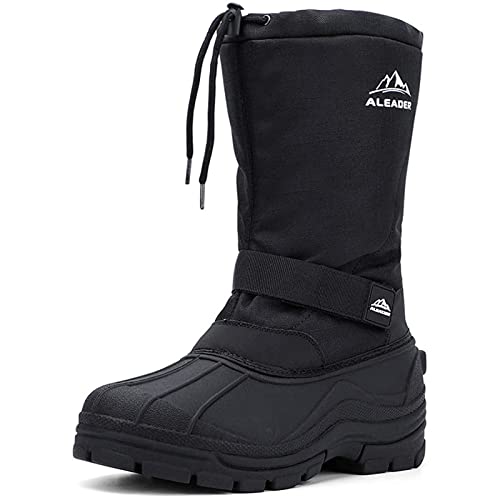
COMFORT AND WARMTH: Cushioned footbed for supportive comfort. All-cold weather protection and a toasty layer of insulation.

Managing Foot Swelling and Temperature Regulation
Because feet expand by up to 5% in volume during hot weather due to increased blood flow and moisture, selecting breathable footwear that accommodates this swelling is essential. Breathable footwear equipped with moisture-wicking insoles aids in managing sweat and foot swelling by promoting airflow and reducing dampness. Adjustable straps can further accommodate changes in foot volume, enhancing comfort and preventing pressure points. In contrast, cold temperatures cause blood vessels to constrict, risking numbness and stiffness; insulated winter footwear helps maintain warmth and improve circulation. Effective temperature regulation relies on wearing season-appropriate shoes that support natural physiological responses, reducing discomfort from thermal changes. Rotating shoes seasonally, with specific attention to fit and material, supports foot health and mitigates issues related to swelling and temperature fluctuations. Additionally, choosing trail running shoes with durable mesh materials ensures breathability and abrasion resistance, ideal for managing comfort in varying weather conditions.
Selecting Shoes for Humidity and Rainy Conditions
How should footwear be chosen for humid and rainy environments to maximize comfort and protection? Footwear made from breathable materials, such as mesh and canvas combined with moisture-wicking linings, helps prevent excessive sweating and odor build-up in high humidity. Sandals with adjustable straps offer ventilation and quick drying when wet, making them practical for humid climates. In rainy conditions, shoes should have water-resistant features like sealed seams and high-quality materials to keep feet dry. Non-slip outsoles are essential for maintaining traction on slippery surfaces. Lightweight shoes with ample cushioning reduce foot fatigue during prolonged wear in warm, damp weather. Selecting footwear that balances breathability, water resistance, and secure fit guarantees comfort and safety both in humid air and wet ground conditions without compromising durability or support. Additionally, choosing shoes with quick-dry fabrics can significantly enhance comfort by speeding up moisture evaporation and reducing irritation during extended outdoor use.
Recommended Products

Slip On Sneakers : Slip resistant work shoes womens is designed to make shoeing easier, freeing up your hands and allowing you to get on and off quickly.

NON SLIP WORK SHOES: Light comfort and hiker-like durability, is the perfect for slip resistant working. Our anti-slip outsole offers superior slip resistance by channeling away liquids like oil, grease, and water

NON-SLIP: These slip resistant work shoes for men have your back with patterned rubber outsoles, giving you excellent traction on wet, oily, and greasy floors, minimizing the risk of slips and falls so you can hustle worry-free in busy spots.
Traction and Support Needs in Icy Weather
Footwear designed for humid and rainy settings may struggle to perform well on icy surfaces, which demand specific traction and support features. Shoes made for icy weather require deep treads and rubber soles to maximize traction and minimize slipping hazards. High-top boots offer essential ankle support, which reduces the chance of sprains on uneven, frozen ground. Additionally, waterproof materials such as Gore-Tex are needed to keep feet dry and comfortable in wet, icy conditions. Insulated shoes with materials like Thinsulate maintain warmth without bulk, allowing for better mobility. Proper fit plays a key role; footwear should accommodate warm socks while preserving stability and support. Without these features, the risk of injury increases, and comfort decreases in cold, icy environments. Moreover, technology such as shock-absorbing midsoles enhances stability and reduces fatigue during movement on slippery terrain.
Recommended Products

COMFORT AND FIT: These waterproof hiking boots feature a padded collar for no-rub comfort, flex notches that cradle the ankle and allow natural foot movement, a rubber outsole for excellent traction, and a EVA midsole for compression and rebound that keeps you comfortable and supported on the trail all day long.

Comfortableness: NORTIV 8 Men's Waterproof Hiking Boots certainly delivers on all-day comfort! Removable and shock-absorbent cushioned insoles offer the support for your feet.

KEEN.WARM insulation helps keep feet warm in temperatures down to -25°F/-32°C, but still allows feet to breathe; KEEN Luftcell lightweight footbed is used for long-lasting comfort right out of the bo
Benefits of Rotating Footwear Seasonally
When shoes are rotated seasonally, at least two pairs per season should be used to maintain temperature regulation, which helps keep foot skin between 30°C and 35°C during varying weather conditions. Rotating footwear prevents excessive moisture build-up and bacterial growth, reducing the risk of odor and infections. Choosing the right shoe for hot summer or cold weather environments guarantees the foot is supported and protected appropriately, which is vital for foot health. Specialized seasonal shoes minimize blister formation and foot injuries by offering tailored protection. Additionally, rotating footwear accommodates slight foot size changes that naturally occur due to temperature fluctuations, promoting comfort and proper fit throughout the year. This practice is especially important for aging individuals, as it supports mobility and reduces the risk of common foot ailments caused by improper footwear in different climates. Incorporating shoes with flexible soles can further enhance natural foot motion and adaptability during seasonal activities.
Adjusting Footwear for Foot Size Changes Across Seasons
Why do shoe sizes need adjustment across different seasons? Seasonal temperature changes cause variations in foot size, affecting comfortable footwear fit. In warmer months, feet typically swell, requiring an increase of about half a shoe size to prevent discomfort or pressure points. Conversely, cold weather usually causes feet to contract, which may necessitate reducing shoe size for a secure, snug fit. Choosing shoes during seasonal changes demands periodic foot size measurement to guarantee proper shoe selection. Rotating between two or more pairs of footwear each season can accommodate these size changes while maintaining foot health. Utilizing custom heat-moldable inserts further enhances comfort and support amid fluctuations in foot size resulting from temperature-related physiological responses. Additionally, selecting boots with waterproof and breathable features is crucial for comfort and foot health throughout seasonal transitions.
Maintenance Tips for Extending Shoe Lifespan
Shoe size variations caused by temperature fluctuations require corresponding adjustments in footwear choice and care. Maintenance tips to extend lifespan include rotating between at least two pairs per season, allowing shoes to air out and recover from daily wear. Regularly clean footwear according to material needs; for example, leather requires a damp cloth and conditioner, while mesh may need gentle washing to prevent deterioration. Using insoles can provide additional comfort and support by accommodating foot swelling and activity levels, which also protects shoe structure. Store shoes in a cool, dry place, ideally below 75°F with 40-60% humidity, to avoid mold growth and material damage. Annually evaluate footwear needs, especially for foot conditions, to guarantee proper fit and support, thereby prolonging shoe life and maintaining comfort.
Frequently Asked Questions
What Is the Difference Between Summer and Winter Shoes?
In warmth, sandals vs. sneakers reveal ventilation needs and moisture management, prioritizing breathability and lightness. Conversely, winter shoes integrate insulation materials, emphasizing warmth and durability. Style preferences shift as function dictates shoe design, balancing comfort and protection.
What Shoes Not to Wear in Summer?
Closed-toe shoes with poor summer shoe materials and non-breathable options should be avoided. Flip flops dangers include lack of support. Instead, breathable shoe options and sandal styles promote foot health. Following foot health tips is essential.
What Type of Shoes to Wear in Cold Weather?
Insulated boots reign supreme in icy domains; waterproof footwear battles relentless moisture. Thermal socks guard against frostbite, while slip-resistant soles guarantee fearless strides. Fashion choices meld practicality and style, conquering winter’s harshest challenges with elegance.
What Temperature Should You Wear Winter Boots At?
Winter boots are advised at temperatures at or below 32°F, considering wind chill. A temperature gauge helps decide; boot insulation, waterproof materials, and snow traction are critical for protection in harsh winter conditions and maintaining foot warmth and safety.


