As an Amazon Associate, we earn from qualifying purchases. Some links on this site are affiliate links at no extra cost to you. Our recommendations are based on thorough research and editorial judgment.


Hiking Boots vs. Trail Runners: Pros and Cons for Different Terrains

Hiking boots offer superior ankle support, durability, and waterproofing, lasting over 800 miles, ideal for rugged, rocky terrain and heavy loads. Trail runners are about 40% lighter, providing breathability and flexibility for smoother, well-maintained trails but wear out around 500 miles. Boots have thick lugs for grip on soft or technical trails, while trail runners have less aggressive tread, reducing grip but lowering blister risk. Choosing between them depends on terrain severity and environmental conditions, and further distinctions clarify best use.
Key Takeaways
- Hiking boots offer superior stability, ankle support, and durability for rocky, uneven, and rugged terrains with heavier loads.
- Trail runners are lightweight, breathable, and flexible, ideal for well-maintained trails and faster, agile hiking.
- Waterproof hiking boots excel in wet or muddy conditions, while trail runners may lack full waterproofing but provide good grip on damp surfaces.
- Thick lugs on hiking boots ensure better traction on soft and technical terrain; trail runners have less aggressive treads for smoother surfaces.
- Hiking boots last longer (around 800 miles) and provide better protection against environmental hazards compared to trail runners, which have shorter lifespans (about 500 miles).
Importance of Choosing the Right Footwear
You may be interested


Selecting the appropriate footwear is essential for any hiking activity. The importance of choosing the right footwear lies in its direct impact on comfort and safety during the hike. Hiking boots provide durability and maximum protection, especially on harsh, rocky terrains where stability and grip are crucial. Trail runners, by contrast, offer a lightweight design and increased breathability, which suits less extreme, smoother trails. Environmental factors also influence selection; waterproof hiking boots are preferable in wet or cold conditions, whereas trail runners help keep feet dry and comfortable in warm climates. Proper fit remains critical, as selecting a size and style that match an individual’s foot shape improves performance and reduces injury risk. Both footwear types serve specific needs, depending on trail conditions and weather. Additionally, features like adjustable laces and padded collars can ensure a secure fit for faster acclimation and increased comfort during breaks.
Comparing Hiking Boots and Trail Runners

Footwear choice greatly impacts hiking performance and comfort, and understanding the differences between hiking boots and trail runners clarifies their specific advantages. Hiking boots offer superior stability and protection on rugged terrain, with durable materials lasting over 800 miles. They feature thick lugs that enhance traction on slippery or uneven surfaces. Trail runners, being approximately 40% lighter than mid-cut hiking boots, increase efficiency and reduce fatigue on well-maintained trails but usually have less grip unless specially designed for rugged terrain. Hiking boots provide waterproof options and warmth, while trail runners excel in breathability and comfort, particularly in warm conditions, reducing blister risks. The longer lifespan of hiking boots contrasts with the roughly 500-mile durability of trail runners, highlighting their suitability for different hiking needs without overlap in terrain focus. Additionally, proper footwear with enhanced traction is essential to reduce slips and falls on varying trail conditions.
Recommended Products
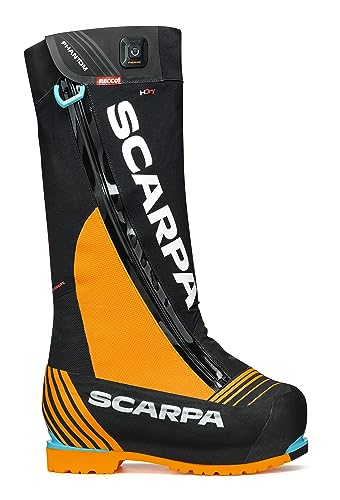
EU Size: 42 – US Size: 10 Women/9 Men | Warmest for the Highest | SCARPA’s warmest, most protective mountaineering boot built for 8000-meter ascents.

EU Size: 43.5 – US Size: 11-11.5 Women/10-10.5 Men | Tech on the Mountain | A technically advanced mountaineering boot built for mixed and ice climbing.

Upper Material: silicone impregnated Idro-Perwanger Roughout Leather (3.2mm), abrasion-resistant textile, air-injected rubber rand
Terrain Considerations for Footwear Selection

When hiking terrain varies from smooth dirt paths to rugged, rocky landscapes, choosing the appropriate footwear greatly affects performance and safety. Hiking boots typically suit uneven and rocky terrain because their durable construction offers enhanced support and protection. These boots often feature reinforced soles with aggressive tread patterns, improving grip on loose surfaces. Conversely, trail runners excel on well-maintained trails and lighter terrain, where their lightweight design—often under 10 ounces (283 grams)—reduces fatigue and increases speed. Terrain with wet or muddy conditions demands waterproof hiking boots, which provide better traction, while trail runners may struggle in slippery areas. Additionally, if carrying heavier loads or moving at slower paces, hiking boots accommodate added stress better. Smooth, dry terrain favors trail runners’ agility, whereas rugged trails necessitate the robust features of hiking boots. Many hiking boots include mid-cut or higher shaft designs that deliver superior ankle stability and support on uneven trails.
Stability and Support Features

Stability and support are critical factors in hiking footwear performance, especially on uneven or rugged terrain. Hiking boots typically feature rigid midsoles that enhance stability and support, which benefits hikers carrying heavier loads or those less experienced on challenging trails. The ankle support in hiking boots helps prevent injuries by stabilizing the foot on rocky or unstable surfaces. Trail runners, in contrast, offer more flexibility, allowing natural foot movement but providing less stability and support, particularly on uneven trails. If you carry a heavy backpack or move at a steady pace, hiking boots deliver better foot protection and balance. Trail runners excel in less technical environments where lightweight, agile movement is more important than maximal stability and support. Your footwear choice should match the terrain’s demands and your hiking conditions. Many hiking boots also feature removable shock-absorbent insoles, which provide additional cushioning and comfort on rugged trails.
Recommended Products
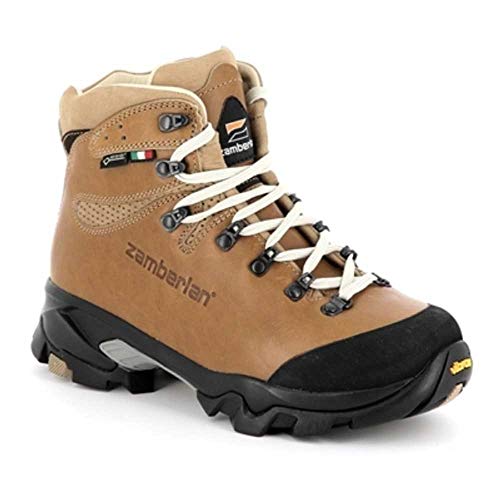
Rubber toe rands with PU coating boost boot durability and extend leather upper lifespan, particularly around the toe bump

Waterproof GORE-TEX lining

EXTREME COLD-WEATHER INSULATION - The Mountain Extreme 1000 insulated hunting boots for men feature 1000-gram Thinsulate insulation and a Windtex waterproof breathable membrane that lock in warmth while blocking snow, slush, and icy moisture during late-season mountain hunts and alpine trekking
Traction Capabilities on Different Surfaces

The grip provided by hiking boots and trail runners substantially affects performance on varied surfaces. Hiking boots have thick, deep lugs in their outsoles that offer superior traction capabilities on soft terrain such as mud and loose soil, which makes them suitable for demanding trails. Trail runners typically feature less aggressive tread patterns, causing reduced grip on slippery or rocky surfaces unless they use rugged designs or sticky rubber compounds. These rubber compounds enhance wet-condition traction but lose effectiveness at slower speeds due to decreased downward force. Hiking boots deliver more stability and reliable traction on technical and rocky paths, especially at slower paces, while trail runners excel in faster movement on smooth trails. Therefore, choosing between these depends on surface type and hiking speed for maximum grip and safety. Additionally, boots with multi-directional lugs provide improved grip across diverse terrains, making them a preferred choice for challenging hiking conditions.
Recommended Products
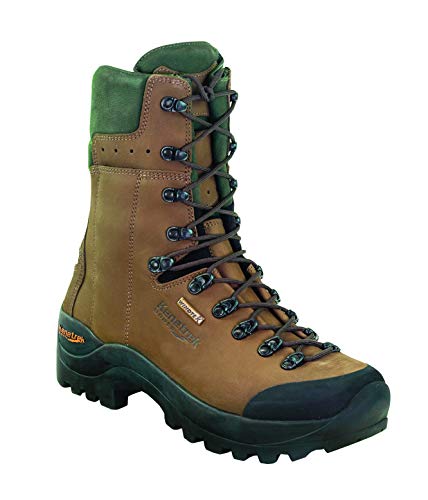
10" tall 2.8 mm thick premium full grain leather uppers that utilize a one piece vamp construction with no seams down the tongue for better abrasion resistance and waterproofness
10" tall 2.8 mm thick premium full grain leather uppers that utilize a one piece vamp construction with no seams down the tongue for better abrasion resistance and waterproofness

10" tall 2.8 mm thick premium full grain leather uppers that utilize a one piece vamp construction with no seams down the tongue for better abrasion resistance and waterproofness
Breathability and Comfort Differences
Breathability greatly impacts foot comfort during hikes, especially in warm or humid environments. Trail runners feature breathable mesh materials that enhance ventilation, keeping feet cooler and reducing sweat accumulation by up to 30%. This breathability lowers the risk of blisters, improving overall comfort. In contrast, hiking boots usually contain waterproof membranes that hinder airflow, often causing sweaty feet and discomfort in humid conditions. Trail runners also offer greater flexibility, preventing a restrictive feel and allowing more natural foot movement, which benefits long-term comfort. Additionally, their lightweight design, often weighing 30-50% less than hiking boots, reduces foot fatigue. Many trail runners require little to no break-in period, allowing hikers to achieve immediate comfort, whereas hiking boots typically need a break-in phase to avoid stiffness and discomfort during use. Furthermore, many hiking boots incorporate cushioned insoles that provide enhanced arch support, improving comfort over prolonged hikes.
Weight and Efficiency Impact on Hiking
Because added mass on your feet directly affects overall exertion, choosing footwear weight carefully matters during hikes. Trail runners weigh approximately 40% less than mid-cut hiking boots, considerably reducing foot fatigue and improving weight and efficiency. Each additional pound on your footwear translates to carrying an extra five pounds on your back, making lighter trail runners advantageous for conserving energy over long distances. The flexibility of trail runners also supports quicker, more natural movement, which enhances hiking pace efficiency. Hiking boots, by contrast, add extra weight that can accumulate and decrease overall hiking performance. Additionally, trail runners require little break-in time, allowing for immediate comfort and better energy use, while hiking boots often need longer adjustment periods to reach similar comfort levels. Many trail runners also feature durable mesh materials that enhance abrasion resistance without adding weight.
Durability and Lifespan of Footwear
Footwear lifespan is a crucial factor when selecting gear for extended hikes. Hiking boots generally last about 800 miles due to their superior durability, which comes from thicker soles and tough upper materials designed to resist sharp rocks and rough surfaces. Trail runners, by contrast, often have a shorter lifespan near 500 miles because they use lighter, less durable materials like breathable mesh, which may degrade faster on abrasive terrain. The durability of hiking boots makes them a reliable choice for rugged environments where gear failure is costly. If you expect to cover long distances on challenging trails, investing in hiking boots offers extended longevity. However, the trade-off is additional weight and reduced breathability compared to trail runners, which can affect overall hiking efficiency. Additionally, proper care and regular maintenance can significantly extend the life of your hiking footwear.
Protection Against Environmental Hazards
Protection against environmental hazards is a key consideration when selecting hiking footwear. The protection of hiking boots is enhanced by rugged materials and thicker soles that guard against sharp rocks, debris, and other hazards found on challenging trails. Their higher cut offers additional ankle support, helping prevent injuries caused by twisting on uneven surfaces. Trail runners and hiking enthusiasts face different risks; trail runners use lighter, more breathable materials that reduce protection from thorny plants or sharp objects, increasing susceptibility to cuts and abrasions. While trail runners improve comfort and speed, their less durable construction makes them prone to faster wear, which may elevate injury risk on rough terrain. Choosing hiking boots prioritizes safety through structural protection, while trail runners focus on agility and ventilation, affecting overall protection against environmental hazards during hiking. Additionally, many high-quality hiking boots feature waterproof membranes to keep feet dry and protected in wet conditions.
Waterproofing and Its Effects on Performance
When choosing hiking footwear, you must consider waterproofing and its impact on performance. Waterproof options, commonly found in hiking boots, prevent water entry during stream crossings but reduce breathability due to membranes that trap sweat, increasing blister risk. Over time, these waterproof linings degrade from moisture exposure, diminishing comfort and effectiveness. Trail runners, usually lacking waterproof membranes, excel in breathability, allowing moisture and heat to escape, which lowers overheating and blister formation in dry conditions. Some trail runners feature sticky rubber soles to enhance grip on wet surfaces, but their lack of full waterproofing limits traction in very wet terrain compared to boots. Assess the terrain’s moisture level and your comfort needs carefully, as waterproofing may be unnecessary or counterproductive where breathability improves multi-day hiking performance. Additionally, features like Vibram outsoles found in some boots enhance grip and stability on varied surfaces, which can be crucial depending on trail conditions.
Recommended Products

A True Performance Product

Upper Material: silicone-impregnated Idro Perwanger Roughout leather (3.2mm), high-abrasion resistant synthetic, rubber rands

10 inch tall 2.8mm thick full grain leather uppers
Footwear Options for Cold and Winter Conditions
Cold weather hiking demands maintaining dry feet to prevent frostbite and guarantee comfort. Hiking boots offer robust insulation and support, ideal for deep snow and icy terrain, particularly when paired with medium-weight wool socks and full-length eVent gaiters to block snow entry. Trail running shoes, while lighter, require additional gear such as Gore-Tex oversocks layered over thin to medium merino wool socks to maintain warmth in wet conditions. Proper foot layering is essential; combining thin merino liners with wool socks enhances moisture management and prevents sweating. If hiking boots or trail running shoes become wet, storing them in plastic bags overnight prevents freezing, sustaining footwear performance. Both options demand breathable, moisture-wicking properties to maintain foot health during cold-weather activities, balancing insulation, dryness, and flexibility based on terrain and individual preference.
Tips for Finding the Perfect Fit
To guarantee perfect performance and avoid discomfort, always test hiking boots or trail runners while wearing the exact socks intended for trail use. Confirm the fit allows a thumb’s width of space between your longest toe and the shoe’s front to accommodate foot movement on descents. Walk on various surfaces to evaluate comfort, support, and traction thoroughly. A secure fit requires the heel to stay snug without lifting when walking, while the ball of the foot sits comfortably inside. Pay attention to any creaking or grinding sounds during movement, as these indicate poor construction or improper fit. Prioritize lightweight footwear to reduce fatigue on long hikes, balancing fit and comfort with durability for ideal trail performance.
Recommended Products

Fleece lined with 200g Thiosulfate insulation

Drop Foot & Dorsiflexion Weakness, Peroneal Nerve Injury

Ecodesign - C.A.S. Ultralight - Light Fit, with Laces-Recco
Frequently Asked Questions
How Should I Break in New Hiking Boots or Trail Runners?
Breaking techniques for new hiking boots or trail runners involve gradually increasing wear time to guarantee foot health. The break-in duration typically spans several weeks, allowing materials to soften and reducing the risk of blisters or discomfort on trails.
Can Trail Runners Be Used for Backpacking Trips?
Trail runners, nimble as mountain goats, can be used for backpacking trips but their trail runner durability may falter under heavy loads. They offer excellent backpacking comfort yet suit softer, less rugged terrain better than rocky or uneven paths.
What Are the Best Socks to Wear With Hiking Boots or Trail Runners?
The best socks for hiking boots or trail runners are typically made from merino wool or synthetic blends, as they offer excellent moisture-wicking properties, ensuring dryness, breathability, and comfort during long treks or intense activities.
How Do I Clean and Maintain My Hiking Footwear Properly?
Proper cleaning techniques involve removing dirt with a soft brush and mild soap, then air drying away from direct heat. Regular maintenance tips include treating leather and inspecting soles, which collectively enhance footwear longevity and performance.
Are There Specific Brands Known for Excellent Hiking Boots or Trail Runners?
Studies show 78% of hikers prefer specific brands for footwear durability and trail performance. Brands comparison often highlights Merrell, Salomon, and Columbia for hiking boots, while Altra and Hoka gain acclaim in trail runners for reliability and comfort.


