As an Amazon Associate, we earn from qualifying purchases. Some links on this site are affiliate links at no extra cost to you. Our recommendations are based on thorough research and editorial judgment.


How Plate Technology in Speed Shoes Influences Running Mechanics

Carbon fiber plates increase shoe stiffness by 1-3 mm thickness, improving energy return and running economy by about 2.7–4.2% at speeds between 14 and 18 km/hr. Plate placement alters foot biomechanics, affecting load distribution and plantar pressure, which can reduce peak stress on metatarsals but may raise forefoot injury risk if not designed properly. These changes influence cadence, muscle workload, and injury potential. Understanding these factors reveals how plate technology optimizes performance and safety.
Key Takeaways
- Carbon fiber plates increase shoe stiffness, enhancing energy return and reducing mechanical energy loss during running.
- Plate thickness and geometry alter load distribution, reducing peak plantar pressure and lowering injury risk.
- Stiffer plates improve running economy by 2.7-4.2%, allowing runners to maintain speed with less effort.
- Plate design influences cadence and muscle workload, impacting overall running mechanics and performance.
- Integrated plate technology affects foot biomechanics, balancing enhanced speed with the potential risk of forefoot overloading.
The Role of Carbon Fiber Plates in Modern Running Shoes
You may be interested
Can Everyday Runners Benefit From Sprint‑Style Shoes for Intervals?
February 13, 2026

Common Mistakes When Choosing Shoes for Interval and Speed Workouts
February 13, 2026
Carbon fiber plates (CFP) increase the longitudinal bending stiffness in running shoes, reducing mechanical energy loss during foot strike and toe-off phases. These plates enhance running mechanics by providing greater energy return, allowing runners to maintain speed with less effort. Running economy improves by approximately 2.7-4.2% at speeds between 14 and 18 km/hr due to CFP integration. Thicker plates, ranging from 1 to 3 mm, reduce peak plantar pressure and compressive strain, particularly in low-load conditions, thereby lowering injury risk. Performance benefits vary among runners, with efficiency gains reaching up to 9.7% for some individuals. Additionally, CFP use correlates with a 25% reduction in overuse injuries among marathoners. The bending stiffness introduced by carbon fiber plates alters plantar pressure distribution, contributing to both improved performance and decreased injury rates in modern running shoes. Similarly, elevated heel designs in weightlifting shoes enhance posture and stability, underscoring the biomechanical impact of structural shoe components.
Recommended Products
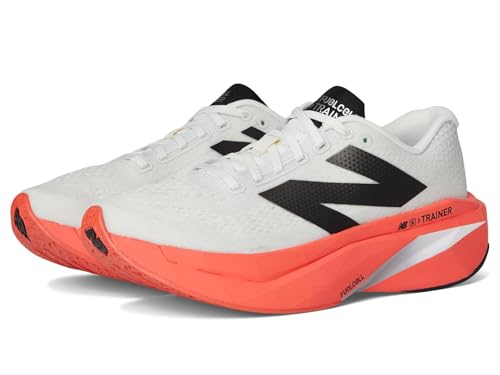
FuelCell midsole foam with approximately 3% bio-based content delivers a propulsive feel to help drive you forward. Bio-based content is made from renewable resources to help reduce our carbon footprint.

JACQUARD KNIT UPPER

FuelCell foam delivers a propulsive feel to help drive you forward, ideal for road running shoes for men seeking speed and efficiency
Effects of Plate Geometry on Foot Biomechanics

How does the shape and thickness of a plate influence foot biomechanics during running? Variations in carbon fiber plate (CFP) geometry, such as increased thickness and location, greatly affect internal foot mechanics by altering load distribution and plantar pressure. A thicker CFP reduces peak pressure on metatarsal bones under low-loading conditions, lowering metatarsal injuries. Forefoot strike patterns combined with CFP tend to increase forefoot load, potentially raising injury risk. Increased longitudinal bending stiffness from CFP changes foot biomechanics by modifying cadence and workload among muscles. Plate geometry impacts bending stiffness, influencing foot-ground interaction. Computational models show stiffer plates redistribute load efficiently, contributing to improved running economy by 2.7% to 4.2% at speeds between 14 and 18 km/hr, while simultaneously affecting internal foot biomechanics during gait. Many carbon-plated road running shoes utilize lightweight Pebax or EVA foams in combination with the carbon plate to enhance cushioning and energy return.
Enhancing Running Economy Through Shoe Stiffness

Shoe stiffness greatly affects running economy by influencing the mechanics of energy transfer during each stride. Carbon plates integrated into speed shoes enhance longitudinal bending stiffness, which reduces mechanical energy loss and improves running economy by 2.7% to 4.2% at speeds of 14-18 km/hr. These plates act like trampolines, providing increased propulsion and energy return, which aids performance. Additionally, thickening the carbon fiber plate lowers peak plantar pressure and compressive strain, offering pressure relief that supports better running mechanics. However, performance outcomes vary considerably due to individual responses, with improvements reported up to 9.7% and declines as much as 1.1%. As a result, stiffness optimization through carbon plates plays a critical role in running economy, but it must be tailored to the runner’s unique biomechanics to maximize benefits. Incorporating features such as energy return exceeding 9% in shoe design further enhances efficiency and sprint performance.
Recommended Products

UNISEX RACE SHOE: The Hyperion Elite 5 is designed for competitive racers seeking a performance edge on race day. Featuring athlete-approved innovations like DNA Gold cushioning and the SpeedVault Race+ carbon plate, this shoe delivers unmatched speed and responsiveness. Predecessor: Hyperion Elite 3.


Men’s Saucony Endorphin Pro 4 Running Shoes – Designed for serious runners seeking speed, comfort, and performance in every mile.
Implications for Injury Risk and Load Distribution

Alterations in foot mechanics caused by integrated plates can increase forefoot load, raising metatarsal injury risk. Carbon fiber plates (CFP) modify load distribution by elevating plantar pressure under the forefoot, contributing to 10%-20% of metatarsal stress fractures. While CFP improve running economy by stiffening shoes, the biomechanical impact varies with CFR geometries, including thickness and location. Thicker plates reduce peak plantar pressure and compressive strain, especially under low-loading conditions, suggesting potential injury mitigation. However, high-loading CFP demand careful training adaptation because abrupt biomechanical changes can cause injuries like navicular fractures. Footwear design should balance running economy gains with injury risk by optimizing CFP configuration to manage load distribution effectively while minimizing harmful plantar pressures and related stress injuries. Additionally, spike plate designs in sprinting shoes, such as those with 8-spike plates, combine stiffness and flexibility to enhance propulsion while influencing plantar pressure distribution.
Recommended Products
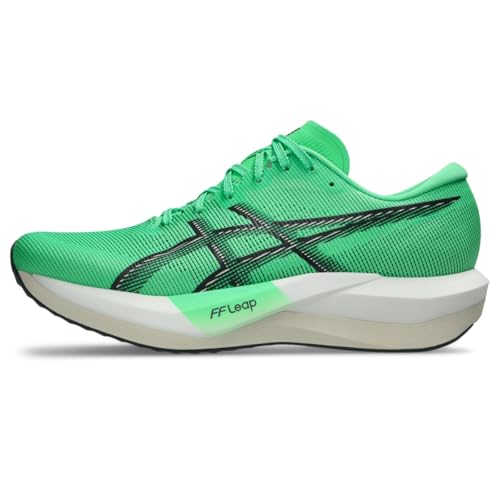
Engineered mesh upper: A lightweight, breathable mesh material helps reduce the need for additional overlays.

FuelCell midsole foam with approximately 3% bio-based content delivers a propulsive feel to help drive you forward. Bio-based content is made from renewable resources to help reduce our carbon footprint.

Carbon Plate Stability Support - Equipped with carbon plate technology, these running shoes deliver enhanced propulsion, stability, and efficient energy transfer. Perfect for marathon runners, daily trainers, and speed workouts who need both support and flexibility.
Finite Element Modeling in Footwear Design

Finite element (FE) modeling plays a critical role in analyzing carbon-fiber plate (CFP) designs within running shoes. This method simulates biomechanics by coupling 3D foot-shoe models to examine foot mechanics and injury risk under various load conditions. FE modeling predicts peak plantar pressure and compression strain, providing quantitative insight into how CFP thickness affects load distribution and plantar tissue. For example, an FE study predicted a peak plantar pressure of 307 kPa, nearly matching the measured 293 kPa, demonstrating model accuracy. Increased CFP thickness lowers peak plantar pressure and reduces compression strain, especially during low-loading phases, offering pressure relief. These precise simulations help optimize performance by informing design choices that balance load distribution and injury prevention, allowing running shoes to better support the foot while improving overall biomechanics and reducing forefoot stress. Additionally, integrating lightweight materials under 200 grams with carbon fiber plates enhances speed and agility, contributing to improved sprint performance and reduced leg strain during races, which is a key feature in competitive sprint shoe design and technology such as lightweight sprint shoes.
Variations in Plate Thickness and Placement
Variations in carbon-fiber plate (CFP) thickness, ranging from 1 to 3 millimeters, directly influence the longitudinal bending stiffness (LBS) of speed shoes. Increased thickness raises LBS, which can improve running economy by up to 3.15% and enhance performance under specific loading conditions. Plate location—high, mid, or low—also plays a significant role in affecting foot mechanics by altering stiffness profiles and metatarsal loading, which may increase injury risk during forefoot striking. Thicker CFPs reduce peak plantar pressure and compressive strain, benefiting comfort and injury prevention, especially in low-loading scenarios. Because variations in thickness and placement interact with foot loading, shoe design requires careful optimization. Balancing stiffness for performance while minimizing injury potential depends on understanding these complex biomechanical interactions. Additionally, integrating features like engineered mesh uppers can help maintain shoe breathability and comfort, complementing mechanical enhancements.
Recommended Products

UNISEX RACE SHOE: The Hyperion Elite 5 is designed for competitive racers seeking a performance edge on race day. Featuring athlete-approved innovations like DNA Gold cushioning and the SpeedVault Race+ carbon plate, this shoe delivers unmatched speed and responsiveness. Predecessor: Hyperion Elite 3.
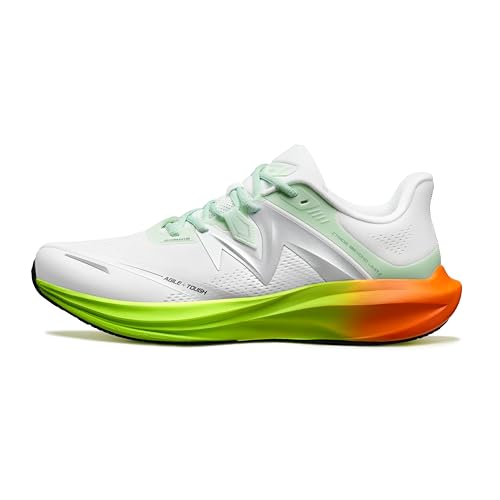
Carbon Plate Support for Responsive Strides - Built with a carbon fiber nylon support plate to help create a stable, responsive feel through each step. These men’s carbon plate running shoes are designed for road running, tempo workouts, marathon training, and active daily wear.

PEBA FUELCELL MIDSOLE - Ultra-responsive PEBA foam midsole delivers maximum energy return and propulsive feel, engineered for race day when every second counts
Future Directions in Speed Shoe Technology
How will speed shoe technology evolve to enhance both performance and injury prevention? Future developments in carbon plate technology aim to optimize midsole materials, balancing cushioning and firm support to improve energy return while reducing injury risk. Designers may vary carbon plate geometry and placement to match different running styles and surfaces, tailoring performance attributes such as stability and responsiveness. The integration of smart textiles with embedded sensors will enable real-time monitoring of biomechanical metrics, allowing for personalized feedback on foot mechanics and running economy. Additionally, sustainable materials are expected to be incorporated to meet environmental standards without compromising durability. Ongoing research studying the long-term effects of carbon plate shoes on biomechanics will guide innovations that simultaneously enhance running economy and minimize musculoskeletal injury risk. Furthermore, an emphasis on weight considerations will help achieve the optimal balance between shoe lightness and durability to maximize runner efficiency and comfort.
Recommended Products

DUAL CARBON PLATE SPEED SYSTEM - Built with dual carbon plates to help support responsive energy return during road running, race training, and speed workouts. Designed as...
Frequently Asked Questions
How Do Plate Materials Other Than Carbon Fiber Compare?
Plate material comparisons reveal nylon plate performance offers flexibility but less stiffness than carbon. TPU versus carbon shows enhanced durability with moderate stiffness. Composite plate advantages include lightweight plate benefits and reactive plate technology, while aluminum plate durability and metal plate effectiveness provide robustness. Eco friendly alternatives highlight ongoing plate material innovations.
Are Plate Technologies Beneficial for Non-Competitive Runners?
Like a tailored suit, plate technologies can enhance comfort level and running efficiency for non-competitive runners, offering weight reduction and energy return. However, injury prevention, shoe fit, durability factors, cost analysis, training adaptations, and personal preference remain vital considerations.
What Maintenance Do Speed Shoes With Plates Require?
Speed shoes with plates require periodic inspection of plate alignment, cushioning, and wear indicators. Shoe cleaning with appropriate cleaning products, sole replacement when needed, moisture control, proper lacing techniques, and recommended storage tips guarantee durability and performance.
How Do Speed Shoes With Plates Perform on Different Terrains?
Terrains analysis reveals speed shoes with plates exhibit varied surface grip, cushioning effectiveness, and stability performance across terrains. Speed variations depend on energy return, weight considerations, and flexibility levels, while traction features and longevity factors influence overall adaptability and durability.
Can Plate Technology Influence Sprinting Versus Long-Distance Running Differently?
Like a finely tuned bow, plate technology distinctly shapes sprinting performance and long-distance efficiency through varying shoe weight, energy return, and power transfer. Biomechanical impact, ankle stability, foot strike, breathability differences, and athlete preference further define its role.


