As an Amazon Associate, we earn from qualifying purchases. Some links on this site are affiliate links at no extra cost to you. Our recommendations are based on thorough research and editorial judgment.


How Sock Choice Interacts With Hiking Boot Fit and Blister Prevention

Sock choice impacts hiking boot fit by altering volume inside the boot and controlling moisture, friction, and foot stability. Thicker socks increase space requirements, risking tightness and pressure points, while thinner socks reduce movement and blister risk. Moisture-wicking materials like Merino wool help keep feet dry and comfortable, preventing blister-causing dampness. Double-layer socks add friction barriers, improving blister prevention on long hikes. Understanding sock fit, thickness, and material selection guarantees ideal boot compatibility and foot protection—learn more about effective strategies next.
Key Takeaways
- Proper sock thickness matches boot size to ensure a snug fit, reducing movement and friction that cause blisters.
- Moisture-wicking sock materials keep feet dry, preventing sweat buildup which increases blister risk.
- Double-layer socks minimize friction by creating a moisture barrier, effectively preventing blisters on long hikes.
- Well-fitted socks enhance foot stability within boots, decreasing skin irritation and hotspots from rubbing.
- Seamless, cushioned socks protect against pressure points while maintaining breathability to reduce blister formation.
Importance of Proper Sock and Boot Fit
You may be interested


Proper sock fit frequently serves as the first line of defense against blisters during hiking activities. A sock that fits too loosely causes excessive friction between the sock, boot, and foot, which increases the risk of skin irritation and blisters. Selecting the right thickness of socks related to your boot type guarantees sufficient space is maintained without pinching, supporting a snug fit that minimizes foot movement inside the boot. Moisture-wicking fabrics aid in keeping feet dry by drawing sweat away, thereby reducing dampness that can exacerbate friction and cause blisters. A well-fitted sock combined with boots also provides effective cushioning that absorbs shock, reducing foot fatigue during long hikes. Regularly evaluating the condition and fit of both socks and boots prevents issues that undermine foot health. Additionally, choosing boots with features like removable, shock-absorbent insoles enhances overall foot comfort and reduces the risk of blisters by providing extra cushioning and support.
Role of Sock Materials in Moisture Management

Sock materials play a critical role in moisture management during hiking, directly influencing foot comfort and blister prevention. Moisture-wicking fabrics such as Merino wool socks, nylon, and synthetic fibers transport sweat away from the skin to maintain dryness. Merino wool socks excel because they combine moisture-wicking with natural temperature regulation, reducing overheating and dampness that cause blisters. High-performance synthetic blends evaporate sweat quickly, guaranteeing a stable foot environment that minimizes friction. Socks with hydrophobic components decrease slippage inside boots, which lowers friction and blister risk. Selecting sock materials appropriate for weather conditions—lighter, breathable fabrics in warm climates and insulated options in cold—improves moisture control. Proper material choice guarantees a dry, comfortable foot environment, essential for blister prevention during extended hikes. Additionally, wearing shoes with a breathable mesh upper enhances overall airflow, further aiding moisture management.
How Sock Thickness Affects Boot Fit and Comfort
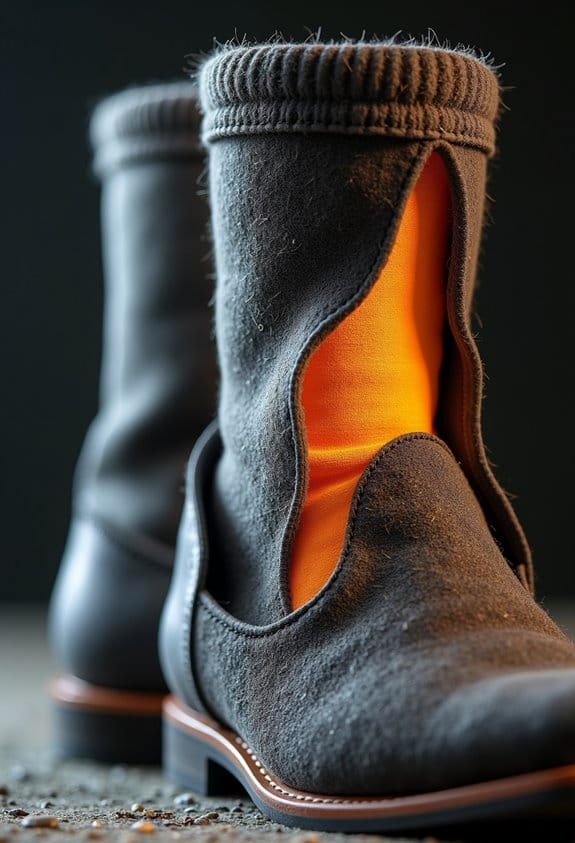
How does sock thickness influence the fit and comfort of hiking boots? Sock thickness directly alters boot fit, as thicker socks add volume and can tighten the space inside the boot, which may reduce circulation or cause pressure points. If boots do not have adequate room, thicker socks can lead to discomfort and increase the chance of blisters due to increased friction. Conversely, thinner socks help maintain a snug fit, reducing internal foot movement and minimizing blister formation. Thicker socks provide extra cushioning and insulation, beneficial in colder conditions but require boots with sufficient interior height and width to avoid compromised boot fit. Balancing sock thickness and boot size is essential because both overly tight and excessively loose fits contribute to the development of blisters on prolonged hikes. Additionally, selecting footwear with a wide toe box can enhance comfort and help prevent pressure points when using thicker socks.
Benefits and Drawbacks of Sock Liners

Managing moisture and friction inside hiking boots extends beyond sock thickness considerations; additional layers such as sock liners offer specific benefits and drawbacks. Sock liners, typically thin and made from polyester, wool, or silk, enhance moisture-wicking properties by transporting sweat away from the skin, thereby reducing friction and preventing blisters. They serve as a protective barrier between the foot and thicker outer socks, which can improve comfort on long hikes. However, advancements in modern sock technology have made some standalone socks capable of managing moisture and friction effectively, making liners less essential. Improper fit of either sock liner or outer sock can cause bunching, increasing friction and blister risk. Additionally, sock liners address symptoms but not root causes such as poor boot or sock fit, which must be optimized for full blister prevention. Selecting boots with features like cushioned midsoles and roomy toe boxes can also contribute significantly to reducing foot irritation during hikes.
Double Layer Vs Single Layer Socks for Blister Prevention
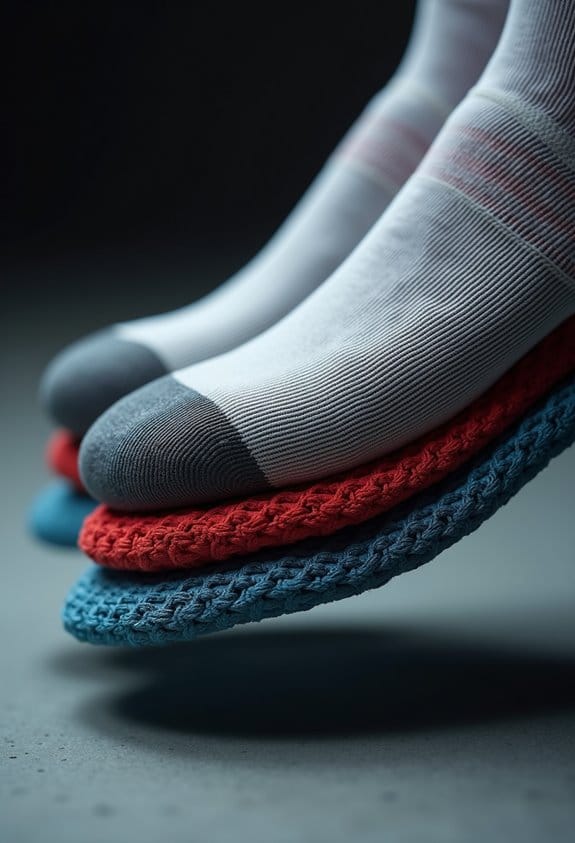
Many hikers benefit from wearing double-layer socks, which consist of an inner moisture-wicking layer and an outer protective layer. Double-layer socks wick moisture away from the skin, reducing heat and dampness that single-layer socks often trap. The inner layer minimizes friction directly on the foot, while the outer layer cushions against the boot’s interior, greatly lowering the risk of blisters. By creating a drier environment, these socks support natural cooling and can reduce conditions like athlete’s foot. Single-layer socks often fail to manage moisture effectively, increasing friction and blister likelihood. Additionally, double-layer socks provide extra cushioning and better support during prolonged hikes or rugged terrain. For activities exceeding several hours or covering multiple miles, double-layer socks typically offer improved blister prevention compared to single-layer alternatives. Choosing socks made from a blend of materials like wool, cotton, and polyester can further enhance comfort and moisture management during winter hikes, as seen in recommended winter hiking socks.
Choosing Socks Based on Hiking Conditions
Sock selection depends largely on the environmental conditions encountered during a hike. When choosing socks for hiking, consider moisture-wicking materials such as Merino wool, which regulate temperature and manage sweat effectively. In warm climates, thinner, lightweight socks improve ventilation and cooling, while thicker socks provide necessary insulation in cold weather. Proper fit is critical; socks must match boot height to protect skin and reduce friction. Higher socks shield against debris, lowering blister risk. Additionally, socks with targeted cushioning absorb impact on rugged terrain, enhancing comfort during prolonged hikes. Nylon blends increase durability in rough areas. Both loose and tight socks increase friction, so a snug yet comfortable fit is essential. Selecting socks based on these factors optimizes foot protection while maintaining comfort across diverse hiking conditions. Considering the wide toe boxes found in specialized footwear can also help reduce pressure points and improve overall foot comfort during long hikes.
Strategies to Prevent Blisters Beyond Sock Selection
Various methods beyond selecting appropriate socks help reduce blister formation during hikes. Ensuring proper sock fit and boot fit is essential; select boots with no more than a thumb’s width of space at the toe box, avoiding overly tight or loose footwear that increases friction. Heel-lock lacing secures the foot, preventing movement within the boot that contributes to blister development. Regularly inspect and adjust sock positioning to prevent bunching and excess friction. Maintain moisture management by choosing sock materials suited to trail conditions, as damp or overheated feet raise blister risk. Before hiking, clean and dry feet thoroughly, because dampness increases vulnerability to skin damage. These strategies, combined with sock choice, enhance blister prevention by controlling friction, moisture, and foot stability, key factors in reducing skin irritation during extended outdoor activity. Additionally, using footwear with non-slip rubber soles can improve stability, further preventing unnecessary foot movement inside the boot.
Frequently Asked Questions
What Are the Best Socks for Hiking to Prevent Blisters?
The best hiking socks for blister prevention feature excellent moisture management, appropriate sock thickness depending on climate, and targeted cushioning levels. This combination reduces friction, maintains dryness, and provides pressure relief, enhancing overall foot comfort during hikes.
How to Avoid Blisters in Hiking Socks?
To avoid blisters in hiking socks, prioritizing sock materials with excellent moisture management is essential. Additionally, selecting socks with appropriate cushioning levels reduces friction and impact, thereby minimizing the likelihood of painful skin irritation during hikes.
How Do You Prevent Blisters on Hiking Boots?
Who wants painful blisters cutting a hike short? Preventing blisters involves addressing friction blister causes, using moisture-wicking sock materials, and making proper boot adjustments like secure lacing to reduce movement and pressure points inside the boot.
What Are the Best Socks to Wear With Hiking Boots?
The best socks to wear with hiking boots are those made from moisture-managing materials like Merino wool or synthetics. Height variations such as crew length protect ankles, while proper thickness balances comfort and boot fit for effective blister prevention.