As an Amazon Associate, we earn from qualifying purchases. Some links on this site are affiliate links at no extra cost to you. Our recommendations are based on thorough research and editorial judgment.


How Trail Running Shoe Lug Patterns Affect Grip on Different Terrains

Trail running shoe lug patterns determine grip by balancing lug depth, spacing, and distribution to match terrain demands. Shallow lugs (2.5–3.5mm) perform best on hard-packed surfaces, while deep lugs (5mm+) excel in mud and loose dirt by penetrating soil. Widely spaced lugs aid mud clearance, and multi-directional lugs enhance stability on descents. Rubber compounds affect durability and traction, with softer blends offering better grip but faster wear. A nuanced choice optimizes performance across trails, and exploring these factors further reveals how to tailor footwear to your runs.
Key Takeaways
- Widely spaced, aggressive lugs enhance grip and self-cleaning on loose, muddy, and wet terrains.
- Shallow, closely spaced lugs provide consistent traction and stability on hard-packed, rocky trails.
- Multi-directional lugs improve grip during downhill and technical trail running by increasing surface contact.
- Lug depth combined with distribution affects traction: deeper lugs excel in soft surfaces, shallower in firm terrains.
- Choosing lug patterns based on terrain and weather optimizes grip performance and minimizes slippage on varied surfaces.
Understanding Lug Depth and Its Impact on Traction
You may be interested


Although lug depth may seem like a minor detail, it directly influences a trail shoe’s traction on various surfaces. Shallow lugs, typically 2.5 to 3.5mm deep, perform best on hard-packed trails because they minimize drag and maintain steady grip. Deep lugs, measuring 5mm or more, are designed to penetrate soft ground, mud, or loose dirt, enhancing traction by digging into the terrain. Trail runners often rely on mid-range lug depth—around 4 to 4.5mm—as a compromise to handle packed dirt and technical paths effectively. Rubber compounds also affect lug performance, especially in wet conditions, by influencing grip and durability. The right lug depth improves overall performance by increasing stability and reducing slippage across different trail surfaces, essential for safe and efficient running. Many top trail shoes, like the New Balance 410 V8 and Saucony Excursion TR15, utilize an aggressive rubber grip to ensure reliable footing on diverse terrains.
Choosing the Right Lug Depth for Your Trail Conditions

Where should trail runners focus when selecting lug depth for specific trail environments? The choice of lug depth directly affects grip and performance on varying trail conditions. Shallow lugs measuring 2.5 to 3.5mm suit hard-packed, dry surfaces, providing reliable traction without excessive aggressiveness. Versatile lugs, between 4 and 4.5mm, perform well on mixed terrain such as packed dirt, gravel, and technical paths, offering balanced grip. Deep lugs exceeding 5mm deliver superior grip in loose or muddy trails, their aggressive patterns enhancing bite and stability where slip risk is higher. Selecting lug depth based on typical trail conditions guarantees optimized performance and reduces falls. Understanding this relationship helps trail runners equip shoes that match their environment, maximizing safety and efficiency during runs across diverse surfaces. Additionally, lug designs combined with advanced rubber compounds like TrailTack Green rubber can significantly enhance traction on diverse rocky terrains.
Recommended Products

The 'Intercept' lace-up from Merrell® is a multi-sport shoe with a sculpted low cut and molded protection.

Full grain leather upper.. Bellows tongue keeps debris out.

The Merrell Morphlite road-to-trail running shoe brings together dual-purpose technologies for multi-terrain movement
How Lug Distribution Influences Shoe Performance

Because lug distribution affects how the shoe interacts with terrain, it plays an essential role in traction and stability. Uniform lug distribution offers steady grip across various terrains, while aggressive patterns with widely spaced lugs improve shoe performance on loose or muddy surfaces by preventing mud buildup and maintaining traction. Shoes with shallower, closely spaced lugs excel on hard-packed trails, reducing excessive grip that may slow runners. Multi-directional lugs enhance stability by increasing surface contact, especially during downhill runs, supporting better control. The effectiveness of lug distribution depends greatly on environmental conditions, as certain arrangements perform better in dry, rocky environments, whereas others excel in wet or soft terrain. Selecting the right lug pattern should consider these factors to optimize grip and stability in diverse running contexts. Additionally, the use of carbon rubber outsoles with multi-directional patterns significantly improves grip and durability across varied trail surfaces.
Recommended Products


EU Size: 44 – US Size: 11.5 Women/10.5 Men | Boots You Can Count On | These lightweight mountaineering boots are made using a burly Perwanger leather upper combined with a Schoeller integrated gaiter for ultimate reliability in the mountains.
Includes: (4) 22x11-10 All Terrain Tires, (4) 10"x7" Black Steel Wheels
The Role of Outsole Compounds in Grip and Durability

Outsole compounds determine how effectively trail running shoes grip surfaces and withstand wear. Soft rubber compounds provide superior traction on wet and rocky terrains, enhancing grip but often reducing durability due to faster wear. Conversely, harder rubber extends outsole lifespan by resisting abrasion on rugged trails but compromises traction on slippery surfaces. Trail shoes like Salomon use specialized rubber formulas, such as Contragrip, to balance grip and durability across varied conditions. Altra emphasizes soft rubber to maximize traction, accepting quicker degradation. Premium compounds like Continental and ASICSGRIP combine these properties, though thicker rubber layers may reduce shoe performance through added weight. Lug patterns influence grip mechanically, but outsole compound choices impact both traction and longevity. Regularly inspect your outsole because rubber hardens over time, decreasing grip and risking performance on trails. Some trail running shoes incorporate carbon rubber lugs to enhance grip and increase outsole durability under rugged conditions.
Recommended Products
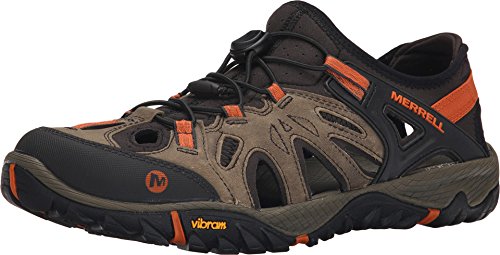
Bungee-lace water shoe featuring waxy waterproof leather and neoprene stretch collar for easy on and off

Material - Upper: Leather (nubuck)

DURABLE full-grain leather boots tested six different ways for strength, made in America and triple-stitched for longevity
Balancing Lug Design With Terrain and Running Style

When selecting trail running shoes, balancing lug design with terrain type and running style is critical for peak performance. Lug patterns with aggressive lugs greater than 5mm provide excellent grip and mud clearance on soft, muddy trails but may reduce stability and agility on hard surfaces. Conversely, shallow lugs that are closely spaced improve outsole contact and stability on rocky or hard-packed terrain, optimizing grip without excessive interference. Running style also influences lug choice; heel strikers require different traction patterns than forefoot or midfoot strikers to maintain control and performance. Understanding the specific demands of different terrains and individual running biomechanics enables selection of lug patterns that balance mud clearance, grip, and stability, ensuring the outsole’s design supports both environmental conditions and personal running efficiency. Additionally, incorporating deep lugs for grip is essential for maintaining stability on rugged terrain.
Innovations in Lug Geometry and Materials
Advancements in lug geometry have refined trail running shoe traction by integrating aggressive patterns with depths ranging from 4 to 7 millimeters. Brands use spaced lugs to improve mud clearance, preventing debris buildup and maintaining grip on wet surfaces. Rubber quality plays a significant role, with Vibram Megagrip compounds enhancing outsole performance through superior durability and traction. Collaborations with tire manufacturers mimic vehicular tread patterns, optimizing grip on uneven and slippery terrain. Advanced digital simulations allow precise adjustments in lug shape, spacing, and depth, producing traction solutions tailored to specific conditions. These innovations improve surface contact and penetration, ensuring consistent performance on loose and technical trails. Overall, the integration of specialized lug geometry and high-grade materials addresses the diverse challenges trail runners face, enhancing shoe reliability across varied environments. The use of multi-directional lugs further stabilizes footing during fast movements and on complex terrains, contributing significantly to effective trail grip.
Recommended Products

BEST FOR: The women’s Alphacross 5 Gore-Tex is the ultimate all-terrain running shoe with a waterproof upper designed to tackle everything from muddy trails to dirt and gravel paths. Its deep, rugged lugs provide unbeatable traction, while its advanced midsole offers a cushioned, comfortable ride that endures mile after mile.

Engineered for Performance – Built in collaboration with elite ultrarunner Dylan Bowman and inspired by the trails of Huntsville, Alabama, the SL:HSV delivers precision, durability, and speed for serious trail athletes.

THIS MEN'S SHOE IS FOR: Trail runners and outdoor adventurers seeking a versatile off-road shoe with the trusted comfort of the Ghost series—engineered for dry, rocky, and technical terrain with all-terrain grip and durability to explore confidently in any backyard or backcountry setting.
Weather’s Effect on Lug Performance and Shoe Selection
Although various factors influence trail running shoe performance, weather conditions critically affect lug effectiveness, requiring careful shoe selection. In wet conditions, trail running shoes with softer rubber compounds improve grip on slippery surfaces by enhancing traction and water dispersion. Lug patterns featuring grooves and channels reduce hydroplaning risks, while deep lugs excel in providing traction in muddy conditions by penetrating soft terrain effectively. However, deep lugs may hinder performance on hard-packed trails due to increased drag and uneven pressure distribution. Proper lug distribution, such as widely spaced, aggressive lugs, promotes self-cleaning and maintains grip during wet runs. Understanding local weather patterns enables runners to select shoes with ideal lug geometry for the prevalent terrains, balancing grip and durability in varied trail environments. Additionally, shoes like the New Balance Fresh Foam X Hierro with Vibram Megagrip outsole technology offer excellent traction across wet and diverse surfaces.
Expert Tips for Selecting Trail Running Shoes Based on Lug Patterns
Because lug depth and spacing critically influence performance, selecting trail running shoes requires precise evaluation of these features based on terrain. Deep lugs, typically 5mm or more, offer superior grip on loose or muddy trails, while shallow lugs between 2.5 and 3.5mm perform better on hard-packed surfaces. Wide spaced lugs prevent mud buildup, improving traction in wet surfaces but may decrease stability on technical terrain. Closely spaced lugs provide enhanced grip on rocky trails. Shoes with moderate lug depth, around 4 to 4.5mm, and soft rubber compounds deliver versatility across varied terrain types, balancing grip and durability. Consider terrain types you frequently encounter and prioritize lug pattern and rubber hardness accordingly to optimize performance and longevity in your trail running shoes. Additionally, many outsoles are now made from 25% recycled material, combining performance with eco-friendliness.
Recommended Products

UPPER CONSTRUCTION - At the core of the Fugitive GTX's rugged build is its water-resistant suede leather and high-tenacity nylon upper; the suede lends a traditional, durable finish, while the nylon panels reduce overall weight and enhance moisture management
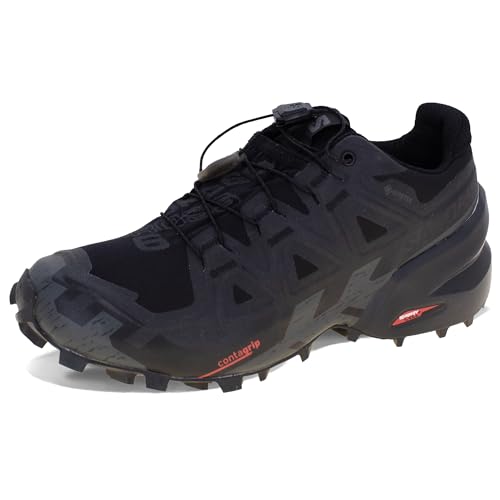
GORE-TEX , keeps your feet dry -from the outside as well as from the inside

Frequently Asked Questions
Do Trail Running Shoes Have More Grip?
Trail running shoes generally deliver superior grip due to advanced shoe technology, deeper lug depth, and specialized traction patterns. Outsole materials enhance performance across terrain types and weather conditions, despite increased shoe weight, influencing user experiences and foot strike stability in grip comparisons.
Which Running Shoe Has the Best Grip?
The Salomon Speedcross offers the best grip features due to aggressive lug depth, superior Vibram sole material advantages, terrain-specific designs, moisture resistance importance, sole flexibility benefits, and optimized weight distribution, outperforming competitors in mud while accommodating varied foot shapes.
What Hiking Shoes Have the Best Grip?
Among hiking shoe types, models like Salomon X Ultra and La Sportiva Ultra Raptor provide superior grip technology with Vibram outsoles, balancing tread depth, outsole materials, and weight distribution for terrain adaptability, rock protection, moisture resistance, flexibility options, and comfort fit.
Do Trail Runners Have Good Grip?
Trail runners typically exhibit excellent grip due to advanced traction technology, optimized sole design, and durable shoe materials. Trail grip comparisons reveal superior foot stability across various terrain types, influenced by durability factors, running conditions, popular brands, and personal preferences.


