As an Amazon Associate, we earn from qualifying purchases. Some links on this site are affiliate links at no extra cost to you. Our recommendations are based on thorough research and editorial judgment.


Sun, Salt, and Chlorine: How Different Environments Affect Water Shoe Durability

Sun exposure degrades neoprene and mesh fibers in water shoes, causing brittleness and adhesive failure. Saltwater accelerates wear by corroding metal parts and stiffening fabrics through salt deposits if not rinsed promptly. Chlorine erodes rubber soles and fades fabric colors, diminishing elasticity and traction. Materials like neoprene and rubber show specific vulnerabilities under these conditions, requiring rinsing and shaded drying to maintain integrity. Understanding these effects helps optimize water shoe performance and lifespan.
Key Takeaways
- Prolonged sun exposure degrades neoprene and mesh fabrics, causing brittleness and loss of flexibility in water shoes.
- Saltwater accelerates wear by corroding metal parts and stiffening materials if shoes are not rinsed immediately after use.
- Chlorine exposure causes neoprene and synthetics to fade in color, lose elasticity, and erode rubber soles over time.
- Proper rinsing with fresh water after salt or chlorine exposure prevents material fatigue and corrosion.
- Storing water shoes in cool, shaded areas and air drying prevents UV damage, mold growth, and maintains structural integrity.
The Effects of Sun Exposure on Water Shoe Materials
You may be interested
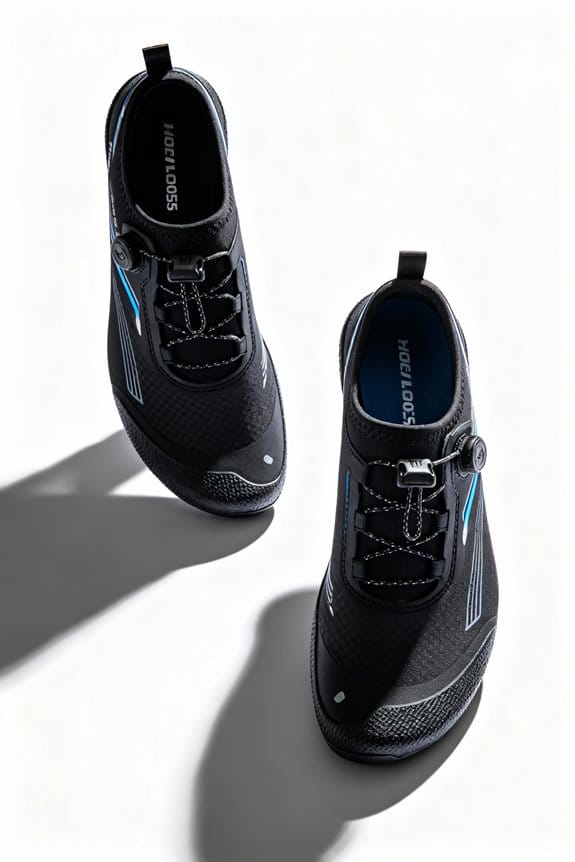
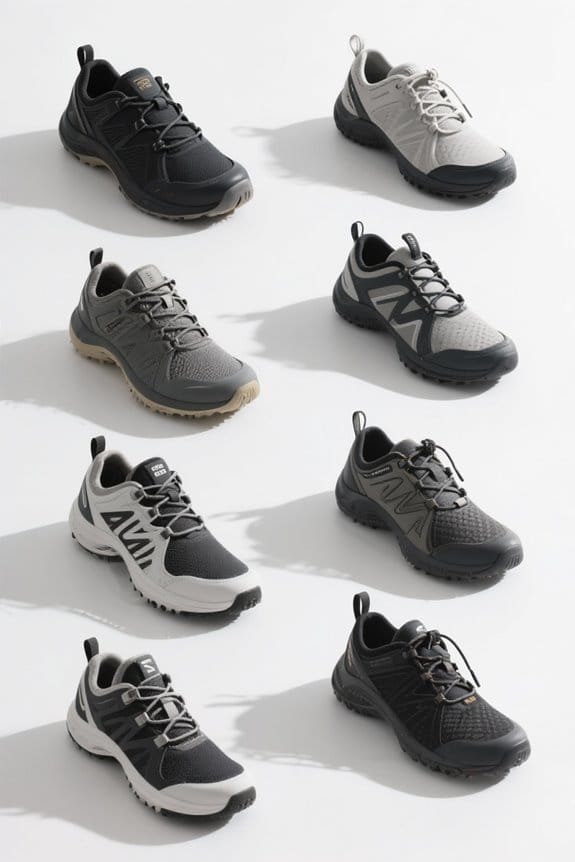
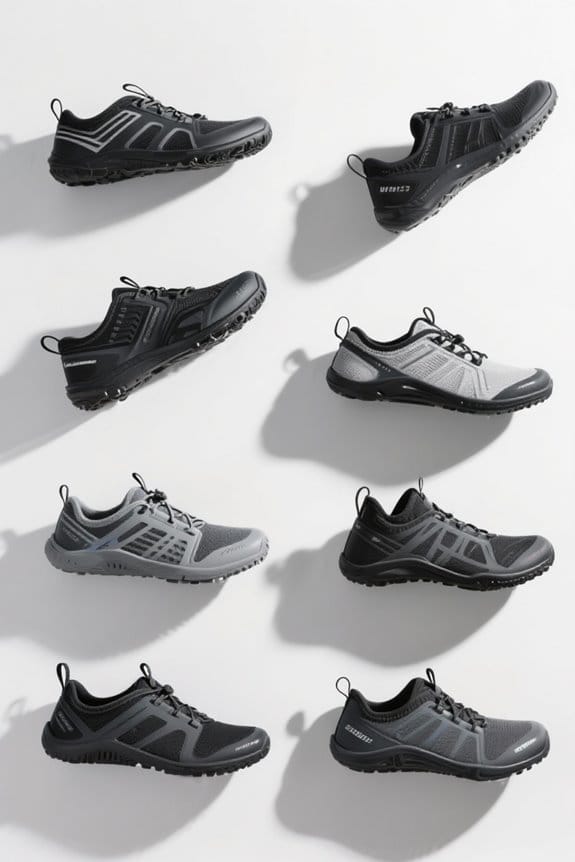
Although water shoes are designed for aquatic environments, prolonged exposure to ultraviolet (UV) radiation from sunlight considerably degrades their synthetic materials. Sun exposure causes neoprene and mesh fabrics to weaken, becoming brittle and losing flexibility, which reduces comfort and performance. The adhesives that bond shoe components may break down under intense UV radiation, leading to separation or delamination. When water shoes are exposed frequently to environments containing chlorine, such as swimming pools, chemical reactions can accelerate material degradation, compounding the effects of sun exposure. Additionally, moisture retained in the shoes promotes mold and mildew growth if the shoes are not adequately dried after use. Manufacturers recommend storing water shoes in shaded, cool locations to minimize UV damage and prevent these issues, thereby extending the lifespan and preserving the structural integrity of water shoe materials. Choosing water shoes with quick-dry fabrics and drainage holes can help mitigate moisture retention and reduce mildew growth.
How Saltwater Impacts Water Shoe Integrity

When water shoes are regularly exposed to saltwater, materials not specifically engineered to resist saline environments deteriorate faster. Saltwater accelerates wear and tear by promoting corrosion on metal components like eyelets and buckles, which can weaken overall shoe integrity. Salt deposits build up on surfaces, causing stiffness and discomfort if shoes are not rinsed thoroughly after each use. Prolonged exposure compromises adhesives, leading to sole separation from uppers. Shoes constructed from breathable, quick-drying fabrics resist saltwater damage better but still require maintenance to prevent material fatigue. Ignoring these factors can reduce water shoe lifespan considerably, with salt concentrations around 3.5% accelerating degradation rates compared to freshwater environments. Proper care considerably mitigates wear and tear caused by prolonged saltwater contact. Additionally, rinsing water shoes immediately after use helps remove salt buildup and preserves the effectiveness of their quick-dry materials.
The Role of Chlorine in Water Shoe Degradation

A significant factor in water shoe degradation is chlorinated water exposure, which affects multiple shoe components. Chlorine pools, created through chlorine production processes to maintain hygiene, contain chemicals that accelerate the breakdown of neoprene and synthetic fabrics commonly used in water shoes. Prolonged exposure causes color fading and loss of elasticity, reducing fit and comfort. Additionally, the rubber soles experience chemical erosion from high chlorine levels, which diminishes traction and safety. Frequent use in chlorinated pools necessitates regular cleaning to remove residual chlorine and prevent material deterioration. Rinsing water shoes thoroughly with fresh water after each use is essential, as chlorine residue can compromise shoe durability by weakening fibers and adhesives, shortening the product’s effective lifespan. Proper care prolongs performance despite ongoing exposure to chlorinated environments. Choosing shoes with quick-dry fabrics and reinforced materials can further enhance durability against chlorine-induced wear.
Key Materials Used in Water Shoes and Their Vulnerabilities

The materials selected for water shoe construction determine their resistance to environmental stressors such as UV radiation, saltwater, and chemical exposure. Neoprene and mesh fabrics, commonly used for their breathability and flexibility, degrade under prolonged exposure to ultraviolet rays, causing fibers to weaken. Rubber soles provide traction but deteriorate when exposed to salt, reducing grip and increasing slip risk. Drainage holes facilitate quick water exit but permit sand and debris entry, stressing seams and fabrics. Additionally, salt and chlorine levels in swimming environments accelerate corrosion and material breakdown, especially if residues are not rinsed after use. Proper maintenance, including rinsing and drying, mitigates salt and chlorine damage. Neglecting this care hastens the breakdown of water shoe components, limiting usability and safety. Choosing water shoes with quick-drying materials can also help reduce exposure time to damaging moisture and salt residues.
Recommended Products

SEEKWAY: Not just for protection, but also for company.

COMFORTABLE - Athmile water socks are made of breathable,quick-dry and elastic fabric.And its thick insole make you feel great soft when you are in a happy outdoor time.

【Quick-Dry】The water shoes ensures water to flow out of shoes quickly when they get wet. Besides, the good ventilation of shoes can also prevent your feet from sweating, thus creating a dry, comfortable and healthful environment for your feet. and guarantee the breathable and quick-dry experience.
Identifying Signs of Wear From Sun, Salt, and Chlorine

Three primary environmental factors—sunlight, saltwater, and chlorine—cause distinct signs of wear on water shoes that can affect their performance. The sun’s ultraviolet (UV) rays cause materials to become brittle and fade, which greatly shortens shoe lifespan. Saltwater can corrode metal components and degrade rubber and adhesives, leading to loss of structural integrity. Chlorine breaks down synthetic fabrics, accelerating wear when shoes are not rinsed properly. Common indicators include discoloration, cracking, peeling, and stiffening of the upper materials. These changes reduce flexibility and secure fit, impairing comfort and safety. Traction also decreases, increasing slip risk during aquatic activities. Recognizing these signs early helps assess when replacement is necessary, preserving performance and safety under prolonged exposure to sun, salt, and chlorine. Proper cleaning and maintenance routines ensure the quick-drying capability and longevity of water shoes despite harsh environmental exposure.
Best Cleaning Practices for Maintaining Water Shoes
Maintain water shoes by rinsing them with fresh water immediately after exposure to saltwater, chlorine, or sand. This prevents salt crystallization that deteriorates fabric and the chemical breakdown caused by chlorine, especially in saltwater systems where chlorine content varies. Use a mild soap solution to clean shoes; avoid harsh chemicals that damage breathable materials and rubber soles. Remove insoles separately to rinse thoroughly, reducing odor buildup and ensuring all contaminants are washed away. After cleaning, air dry shoes in a ventilated area away from direct sunlight to avoid warping or fading. Regularly inspect for wear, such as sole thinning or fabric tears, to maintain performance during water activities. Proper cleaning reduces material degradation caused by exposure to environmental elements. Additionally, paying attention to the non-slip outsoles will help preserve traction and safety while using the shoes.
Recommended Products

Recommended 1: CONVENIENCE - Smooth neck design prevents chafing when wearing our water shoes. It is convenient to wear and take off.

【Non-Slip】:These water shoes feature a high-quality rubber outsole engineered with a deep, multi-directional traction pattern. This aggressive tread design digs in to provide maximum stability and prevent slips, keeping you safe during all your water adventures.

All-round Protection: ATHMILE water shoes for women men use thick rubber soles and a toe cap keep your feet completely protected from sharp objects and provide great cushioning. These swim shoes with new non-slip treads provide exceptional grip even in slippery conditions. This barefoot shoes women men makes it a great choice for outdoor sports or camping accessories cruise vacation essentials travle gear must haves, also like beach fashionswimming, hiking, kayaking ect
Drying Techniques to Protect Water Shoes From Environmental Damage
After rinsing water shoes with fresh water to remove corrosive salt and chlorine, drying them properly prevents material damage and extends use. The best drying techniques include air drying in a shaded, well-ventilated area to avoid exposure to direct sunlight, which accelerates neoprene and rubber degradation. Using a fan or breathable mesh bag enhances evaporation by increasing airflow, allowing shoes to dry faster while maintaining their shape. Stuffing water shoes with newspaper or towels absorbs residual moisture inside and helps retain structural integrity without warping. These techniques are especially important after use in chlorinated environments, where even minimal moisture retention can promote material breakdown and odor. Avoiding heat sources such as dryers or radiators further preserves the flexibility and durability of water shoes over time. Regular cleaning and proper drying are essential parts of cleaning and maintenance to ensure longevity and optimal performance.
Recommended Products

【Durable Material Quality】 Indulge in the ultimate drying solution for your footwear with our metal shoe drying rack; Made from robust and durable metal, our rack promises lasting service; Your wet shoes, boots, and gloves will dry up quickly and efficiently owing to the quality metal that conducts and retains heat to facilitate faster drying

Designed for Shoes After Washing: Perfect for sneakers, running shoes, and kids’ shoes after machine washing. Keeps shoes elevated for faster drying and better airflow — no more damp or smelly shoes.

Designed for Shoes After Washing: Perfect for sneakers, running shoes, and kids’ shoes after machine washing. Keeps shoes elevated for faster drying and better airflow — no more damp or smelly shoes.
Choosing Water Shoes for Different Water Environments
Selecting appropriate water shoes for varied aquatic environments requires understanding the specific conditions and associated risks. For saltwater pools, prioritize shoes constructed with corrosion-resistant materials, since salt causes metal corrosion and fabric degradation over time. At sandy beaches, closed-toe shoes protect feet from sharp shells and hot sand, ensuring comfort and safety while providing breathability to reduce moisture buildup. Rocky or uneven terrains demand water shoes with thick rubber soles and superior grip to enhance traction and minimize slipping hazards on wet, jagged surfaces. Freshwater settings favor lightweight shoes with quick-drying capabilities, which prevent waterlogging and maintain comfort during extended wear. If engaging in water sports, choose models featuring secure fits, drainage holes, and flexible materials, supporting fluid movement and efficient water expulsion to reduce resistance and discomfort during activity. Additionally, non-slip rubber soles with deep treads are crucial for maintaining safety on slippery surfaces commonly encountered in different water environments.
Recommended Products

QUICK-DRY BREATHABLE FABRIC: The upper of water shoes is made of quick-dry mesh fabric, which ensures comfort and breathablity even if the shoes go wet after swimming or surfing.
COMFORTABLE - Athmile water socks are made of breathable, quick-dry and elastic fabric. And its thick insole make you feel great soft when you are in a happy outdoor time.

Ready For Every Adventure: Designed with a protective closed-toe front to help shield little feet from bumps, rocks, and playground scrapes during outdoor play
Protective Features That Enhance Water Shoe Longevity
Although water shoes endure constant exposure to moisture and abrasive surfaces, several protective features greatly extend their usable lifespan. Rubber outsoles offer superior traction on slippery surfaces like wet pool decks, limiting wear from frequent use. Materials such as neoprene and mesh enhance breathability, allowing shoes to dry quickly after exposure to salt systems or chlorinated water. Drainage holes facilitate rapid water exit, preserving shoe structure and preventing damage caused by trapped moisture. Reinforced stitching in high-wear zones increases resistance to abrasion from rocky terrain or rough surfaces. Additionally, UV-resistant fabrics prevent fabric degradation and shape distortion after prolonged sun exposure. Together, these features allow water shoes to maintain functionality and durability despite the harsh conditions found in environments like pools or marine salt systems. The inclusion of cushioned insoles in many models further enhances comfort and foot protection, contributing to overall shoe longevity in diverse water environments.
Recommended Products
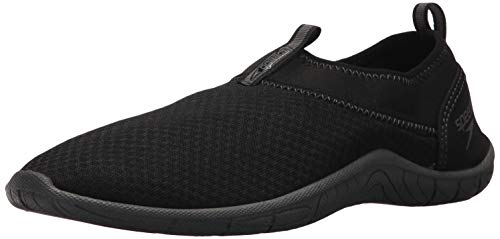
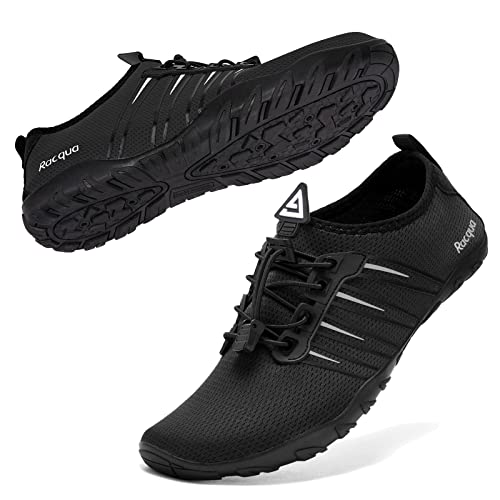
FLEXIBLE TWIST AND COMFORTABLE: super lightweight and flexible, make you feel great freedom and comfortable in wearing.Possess one pair of these shoes can make you more different and fashionable with individual character.

Breathable & Comfortable Design: Soft Mesh Fabric & Sock-Like Comfort, Stretchy lightweight upper molds to feet for all-day comfort. Our Water Socks enhanced airflow prevents sweat buildup during surfing, swimming, snorkeling, or beach sports.
Routine Maintenance Tips to Extend Water Shoe Life
Protective features contribute to water shoe durability, but routine maintenance further extends usable life by preserving materials and structure. Rinse water shoes thoroughly with fresh water after each use to remove salt, sand, and chlorine through electrolysis, all of which degrade materials over time. Allow shoes to air dry completely in a shaded, ventilated area to prevent mold growth that damages fabric and produces odors. Use mild soap sparingly when cleaning, avoiding harsh chemicals that break down polymers and adhesives. Store water shoes in cool, dry places with good airflow to reduce moisture buildup. Regularly inspect for frayed seams or sole wear, and repair minor damage promptly to maintain structural integrity. Consistent application of these routine maintenance tips can increase water shoe lifespan by up to 30 percent. Additionally, checking the durability of rubber soles ensures continued reliable grip and safety on slippery surfaces.
Common Mistakes That Accelerate Water Shoe Wear
When water shoes experience continuous exposure to direct sunlight, synthetic materials deteriorate prematurely, causing fading and brittleness within weeks under intense UV radiation. One common mistake is neglecting to rinse out salt into chlorine residues after use; saltwater speeds up rubber breakdown by 30%, while chlorine similarly degrades fibers. Leaving shoes wet encourages mold growth and warping, which can distort fit by up to 15%, increasing long‑term cost due to early replacement. Storing damp shoes in dark, humid areas also promotes material weakening and odor buildup that deteriorates shoe integrity. Avoid these errors by thoroughly rinsing with fresh water immediately, drying shoes in ventilated areas within 24 hours, and limiting exposure to harsh sunlight to extend material lifespan and reduce premature wear that results in costly replacements.
Frequently Asked Questions
Are Salt Water Pools Better for the Environment?
Are saltwater pools truly better for the environment? While they offer some environmental benefits, their sustainability impacts remain significant due to salt and chlorine discharges. Proper management is essential to minimize ecological harm and comply with regulations.
What Happens to Chlorine When Exposed to Sunlight?
Chlorine undergoes rapid breakdown when exposed to sunlight, primarily due to UV exposure. This degradation reduces chlorine levels considerably, diminishing its sanitizing effectiveness, and necessitates frequent chemical adjustments to maintain water safety and hygiene.
Are Saltwater or Chlorine Pools Easier to Maintain?
Saltwater pools resemble a steady lighthouse, offering lower maintenance frequency and cost comparison benefits over time, while chlorine pools flicker like candles, requiring frequent attention and costly adjustments to combat rapid chemical depletion.
Do Salt Water Pools Cause Corrosion?
Saltwater pools do cause saltwater corrosion, affecting metal components and finishes. Effective pool maintenance, including regular monitoring and using salt-compatible materials, is essential to minimize corrosion and extend the durability and safety of pool equipment exposed to saltwater.


