As an Amazon Associate, we earn from qualifying purchases. Some links on this site are affiliate links at no extra cost to you. Our recommendations are based on thorough research and editorial judgment.


When to Use Amphibious Shoes for Hiking and Water Crossings

Amphibious shoes are best used on trails with frequent water crossings and varied terrain where wet and dry environments mix. Their quick-drying mesh uppers and rubber outsoles provide traction on slippery rocks and muddy banks. Reinforced toe protection guards against sharp stones. Use them in humid climates, wetland areas, or rainy hikes with shallow water. Because they balance lightweight design with durability, they reduce the need for multiple shoes while managing moisture and odor. Further details explain ideal features and maintenance.
Key Takeaways
- Use amphibious shoes on hiking trails with frequent water crossings and mixed wet-dry terrain for optimal comfort and safety.
- Ideal footwear for shallow river crossings, wetland exploration, and hikes in humid or rainy conditions.
- Wear them near lakes, beaches, or muddy banks to benefit from fast-drying mesh uppers and reliable traction.
- Choose amphibious shoes when you need lightweight, quick-draining footwear to reduce moisture retention and blisters.
- Opt for them when streamlined gear is important, minimizing the need to carry multiple pairs for land and water segments.
Understanding Amphibious Shoes
You may be interested

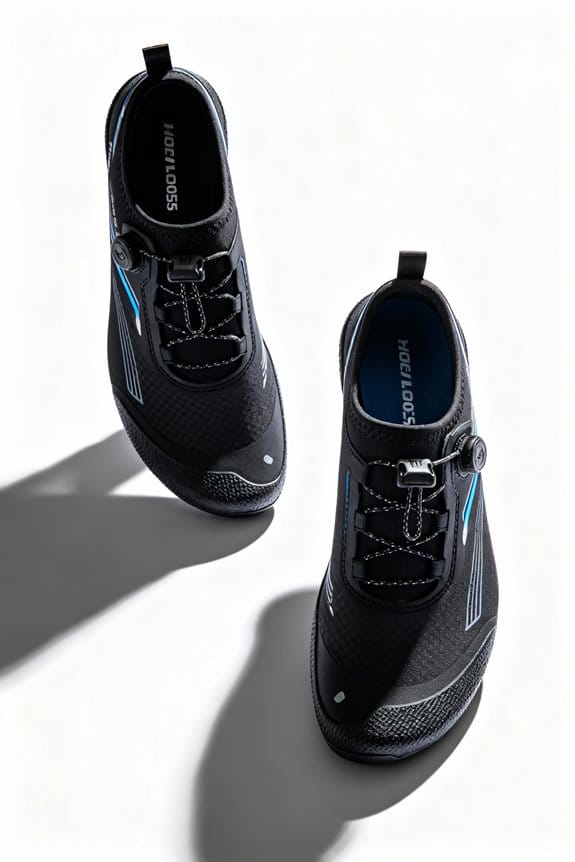
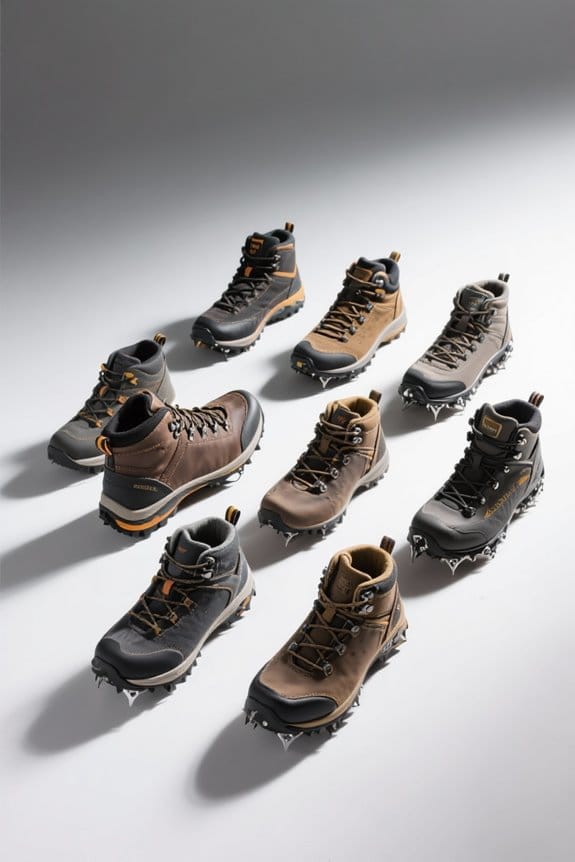
Amphibious shoes combine features suited for both wet and dry environments, offering essential support for hikes involving water. These shoes provide reliable traction on slippery rocks and muddy trails, making them effective in wet conditions and during water crossings. They feature mesh uppers, which enable quick water drainage and improved breathability, speeding up drying times. The construction includes toe protection to shield feet from sharp objects encountered on uneven hiking terrain. Amphibious shoes balance lightweight design with durability, supporting agility over distances without causing fatigue. While they may dry slower than river sandals, their enhanced grip and structural support contribute to safer movement. This combination of attributes makes amphibious shoes practical for hikers crossing streams or traversing mixed terrain where both water resistance and foot protection are necessary. Additionally, their durable rubber soles with anti-slip tread patterns significantly improve grip and prevent slips on wet surfaces.
Benefits of Amphibious Shoes for Outdoor Activities
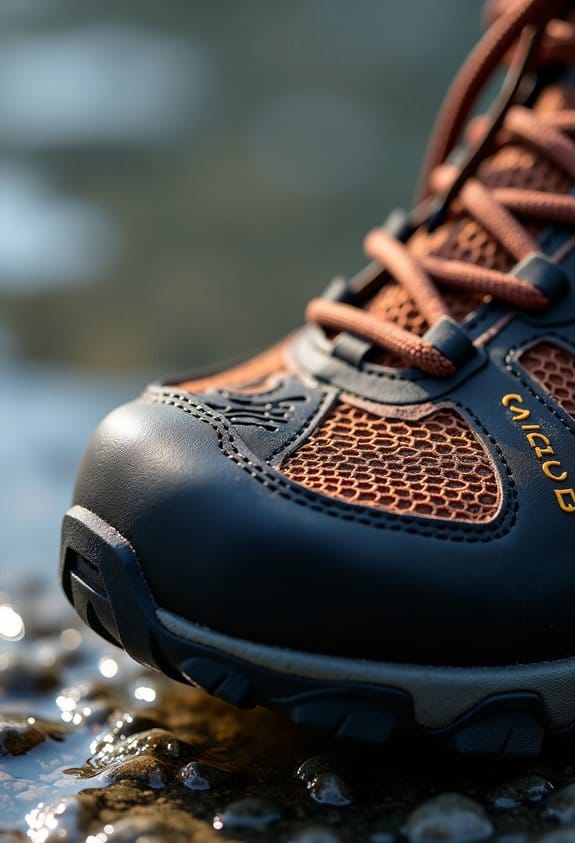
Footwear designed for mixed wet and dry environments offers significant benefits during outdoor activities. Amphibious shoes provide good traction on slippery rocks and muddy trails, reducing slip risks during hiking and water crossings. Their mesh uppers facilitate quick drying by allowing water to drain efficiently, preventing prolonged dampness that can cause discomfort or blisters. These shoes feature reinforced toe protection, which safeguards feet from sharp rocks and debris commonly encountered in streams or uneven terrain. Wearing amphibious shoes with socks offers additional insulation, particularly useful in colder water, enhancing overall comfort. Because amphibious shoes serve both hiking and aquatic purposes, they minimize the need to carry multiple footwear options, thereby streamlining gear for outdoor activities that involve frequent changes between land and water environments. Many amphibious shoes include anti-slip rubber soles to ensure stability on wet surfaces and protect against sharp objects.
Ideal Trails and Conditions for Amphibious Shoes
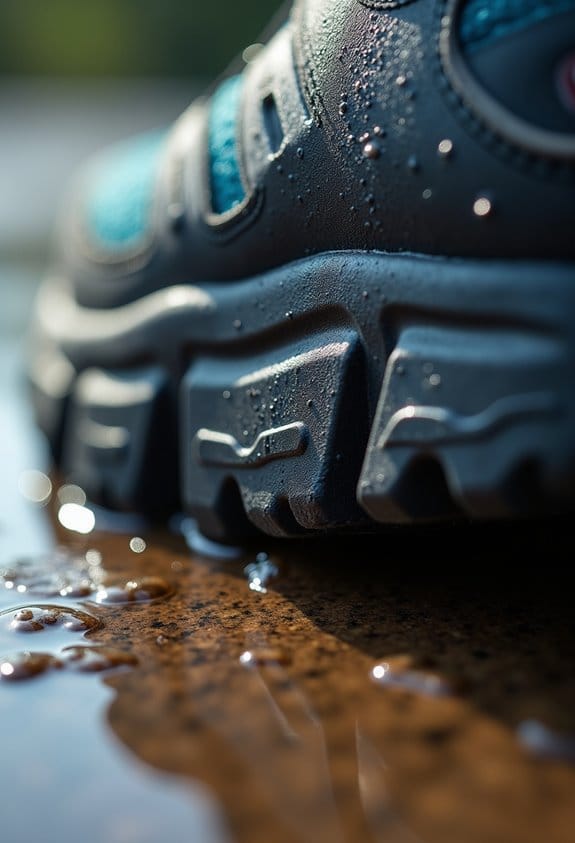
Where should you wear shoes designed for both water and land? Amphibious shoes perform best on hiking trails featuring frequent water crossings and varied terrain, such as those found in the Narrows of Zion National Park. They provide reliable traction on slippery surfaces like wet rocks and muddy banks, helping prevent falls. Designed with mesh uppers, these shoes enable rapid drainage, keeping feet dry and comfortable during water crossings and in damp conditions. Their rubber outsoles offer grip on mixed terrain, including loose gravel and moist soil. Amphibious shoes are particularly suitable for moderate trails where protection from debris and water hazards is necessary. If you encounter intermittent streams or wet sections, these shoes balance comfort, drainage, and traction better than traditional hiking footwear, making them a versatile choice for specific outdoor environments. Additionally, features like efficient water drainage systems enhance comfort by preventing sogginess during prolonged wet exposure.
Comparing Amphibious Shoes to River Sandals and Hiking Shoes
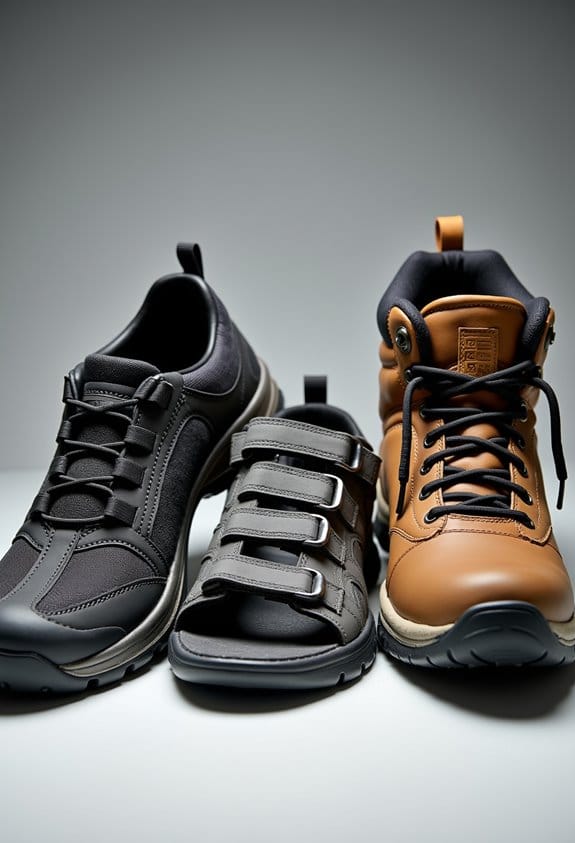
How do different types of water-compatible footwear compare for hiking in mixed environments? Amphibious shoes provide superior traction in wet and dry conditions, improving safety during water crossings compared to river sandals. Amphibious shoes also offer more toe protection, reducing injury risk on rugged terrain, unlike typical river sandals that expose toes. River sandals dry quickly and minimize odor but may cause blisters if unbroken, while amphibious shoes dry slower yet provide enhanced support for long treks. Hiking shoes excel on long trails without water crossings, combining durability and comfort but lack the water drainage features of amphibious shoes or river sandals. Amphibious shoes feature mesh uppers similar to river sandals for drainage, coupled with sturdy soles suited for challenging terrains, making them a versatile choice where varied trail surfaces and water crossings coexist. Additionally, their non-slip traction and drainage capabilities help maintain stability and comfort in diverse environments.
Key Features to Look for in Amphibious Shoes
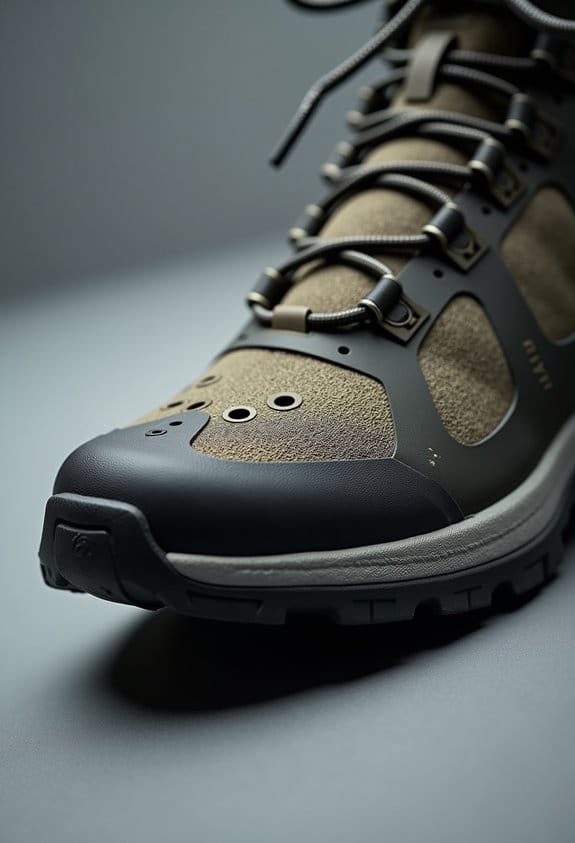
Selecting amphibious shoes requires attention to several essential design features that balance aquatic functionality with hiking performance. Mesh uppers are fundamental in shoes for water drainage, reducing weight and accelerating drying times. Materials should be quick-drying, allowing shifts from wet to dry terrain within minutes, while preventing discomfort from dampness. Durable rubber outsoles provide traction important on slippery rocks and muddy trails, enhancing stability and minimizing slipping risks. Toe protection is achieved with reinforced caps to safeguard against sharp stones and debris. A secure fit is imperative; laces or bungee closures maintain shoe position during movement, preventing loss in fast-flowing water. Overall, these features combine to create amphibious shoes capable of withstanding mixed environments where water exposure and rugged footing coexist. Additionally, quick-dry fabrics help reduce water weight and enhance comfort during prolonged use.
Tips for Maximizing Comfort and Fit
Achieve a secure and comfortable fit by guaranteeing amphibious shoes match your foot size closely, as a snug fit reduces slippage during water crossings and uneven terrain. If your feet fall between sizes, sizing up often adds comfort and security. Opt for amphibious shoes with quick-pull speed laces, which allow fast adjustment and help keep debris out. Mesh uppers improve moisture drainage and ventilation, reducing water weight and promoting comfort fit throughout hiking. Use lightweight synthetic socks instead of cotton, as they dry quickly and reduce blister risk during water crossings. During breaks, empty sand and debris from shoes to maintain comfort and prevent irritation. Following these tips guarantees amphibious shoes provide both protection and functional performance for varied outdoor conditions. Additionally, selecting shoes with multiple drainage holes ensures efficient water flow and quick drying, enhancing overall comfort on wet terrain.
Caring for and Maintaining Amphibious Shoes
Multiple essential practices guarantee the longevity and performance of amphibious shoes after repeated exposure to water and abrasive terrains. To clean amphibious shoes, rinse them with fresh water after each use, removing sand, salt, and debris that degrade materials and cause odors. Use mild soap and a soft brush for thorough cleaning, especially on mesh areas where dirt accumulates. Allow water shoes to air dry completely in a shaded area, avoiding direct sunlight that can warp shape and fit. Regularly inspect shoes for wear and tear, such as fraying or detachment, to maintain safety and effectiveness. Finally, store amphibious shoes in a cool, dry place, preventing mold and mildew growth after wet use, which maximizes their durability and functional lifespan. Additionally, selecting shoes with quick-drying fabrics can enhance maintenance efforts by reducing moisture retention and odor buildup.
Frequently Asked Questions
Can You Wear Aqua Shoes for Hiking?
Aqua shoes symbolize fluid adaptability, offering benefits through drainage capabilities and water traction. Their lightweight materials enhance hiking comfort, providing foot protection and versatility in terrain, ideal for short hikes where swift shifts between land and water are required.
When Should You Use Water Shoes?
Water shoes should be used during aquatic activities requiring quick drying time and improved foot protection. Trail terrain considerations and sizing adjustment tips optimize comfort. Their durability compares favorably to hiking shoes, highlighting key water shoe benefits.
What Shoes to Wear When Hiking Through Water?
For hiking through water, trail footwear with amphibious shoe features is recommended. Prioritize waterproof hiking shoes offering superior grip performance, an efficient drainage system, and secure fit for safe river crossings on wet terrain, enhancing comfort and stability.
What Shoes Are Needed to Hike the Narrows?
Like a river shaping stones, Narrows trail recommendations emphasize terrain specific footwear with excellent shoe traction importance and water resistant materials. Foot stability factors, temperature considerations, and personal comfort choices guide hikers in selecting ideal shoes.


