As an Amazon Associate, we earn from qualifying purchases. Some links on this site are affiliate links at no extra cost to you. Our recommendations are based on thorough research and editorial judgment.


Common Mistakes When Switching Too Quickly to Barefoot Footwear

Switching too quickly to barefoot footwear often causes injuries because foot muscles need gradual conditioning over a period of six to eight weeks, starting with one hour daily and increasing gradually. Ignoring pain or discomfort can lead to stress fractures and plantar fasciitis, while using inappropriate shoes lacking wide toe boxes or cushioning increases risk. Neglecting foot strengthening exercises and proper running form, such as midfoot striking, impairs adaptation and heightens injury potential. Exploring these factors more reveals safer shift strategies.
Key Takeaways
- Underestimating the lengthy adaptation period causes muscle strain and increases injury risk.
- Ignoring pain signals leads to prolonged discomfort and possible stress fractures or plantar fasciitis.
- Using improper barefoot shoes restricts foot function and can cause foot deformities or injuries.
- Skipping foot strengthening exercises weakens muscles, impairing adaptation and increasing injury chances.
- Neglecting proper running and walking form raises impact stress, risking tendon and fascia injuries.
Underestimating the Adaptation Period
You may be interested

Ankle Support in Trail Running Shoes: Do You Really Need It?
January 11, 2026


Barefoot Shoes vs. Traditional Sneakers for Everyday Use
January 11, 2026
Although barefoot footwear offers benefits, many individuals underestimate the required adaptation period lasting several weeks to months. Shifting too quickly often results in discomfort and injuries because the feet need time to strengthen muscles and adapt biomechanics. A careful adjustment process includes starting with one hour of barefoot footwear daily and gradually increasing wear time by one hour each week. This method typically leads to a full day’s wear by the eighth week, allowing the feet to adjust properly. Underestimating this adaptation period ignores essential body signals such as soreness or pain, which indicate the need to slow down. Even experienced runners benefit from this gradual approach since traditional footwear may have weakened foot muscles. Gradually increasing wear time reduces the risk of injuries and supports long-term foot health. Choosing barefoot shoes with a wide toe box can also help facilitate a more comfortable and effective transition process.
Recommended Products

Mesh and TPU upper Traditional lace closure External rear sling locks in the heel Breathable mesh lining Integrated EVA foam insole Merrell Barefoot 2 construction is designed to keep the foot in a natural position Rock plate for protection Lightweight EVA foam midsole for stability and comfort Vibram TC5+ rubber sole

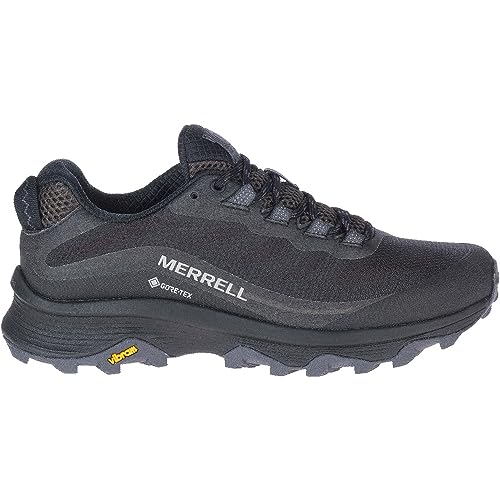
MERRELL MOAB SPEED GTX BLACK/ASPHALT FOR WOMEN SIZE 37
Ignoring Signs of Pain and Discomfort

Five common signs of pain and discomfort must not be ignored during the shift to barefoot footwear. Ignoring foot pain can increase injury risk, including stress fractures, tendon strains, and plantar fasciitis. Many individuals overestimate their muscle strength when switching, resulting in soreness and prolonged discomfort. A gradual adjustment allows muscles and connective tissues to adapt, reducing injury risk by enabling cautious increases in barefoot activity duration and intensity. Listening to the body is essential; persistent pain signals inadequate conditioning and the need to modify or pause barefoot use. Foot health depends on promptly addressing discomfort through rest, proper exercise, and adjusting the adjustment pace. Ignoring signs of pain risks setbacks that extend the adaptation time and increases the chances of severe injuries requiring medical intervention. Choosing barefoot shoes with breathable fabrics can also help minimize irritation and discomfort during the transition.
Recommended Products

Enhanced Workplace Safety - Our anti fatigue matting designed with a diamond textured surface creates an anti slip surface for dry applications where maintaining traction is crucial

Revolutionary 3D-Printed, One-Piece Construction: Built using light-cured 3D printing for a seamless, glue-free design that conforms to your foot's shape like a second skin. This foot-hugging fit eliminates friction and discomfort, redefining all-day comfort.

BEAUTY & COMFORT. With a soft, subtle floral design, the WellnessMats Bella Collection floor mat features a beautiful, lyrical relief pattern of sweeping scalloped-shaped curves that will add the right amount of adornment to smaller spaces. Each mat offers comfort and performance and is supportive, resilient, and easy to clean.
Using Inappropriate Barefoot Footwear
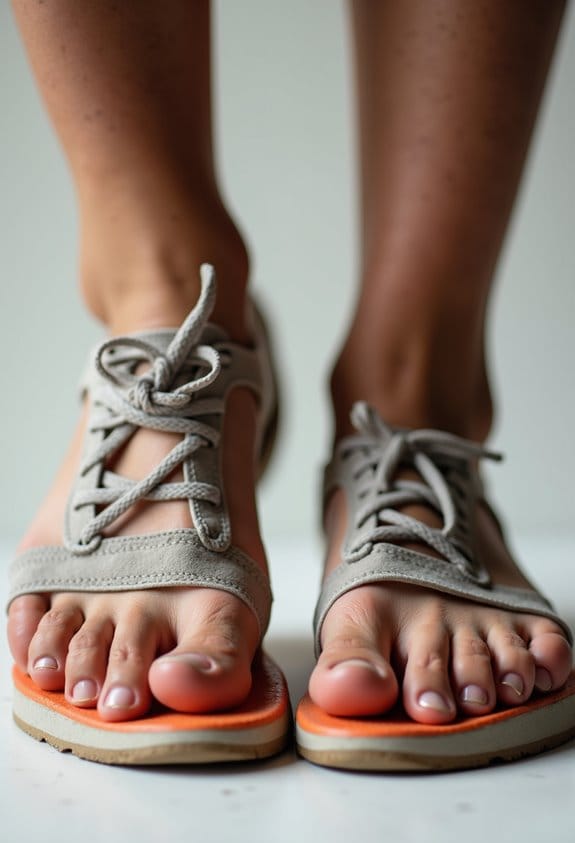
Selecting inappropriate barefoot footwear disrupts the natural adaptation of the foot by limiting essential functions such as breathability, flexibility, and ground feedback. Shoes lacking a wide toe box restrict natural toe splay, increasing risks for bunions and other foot-related issues. Inappropriate cushioning, either too thin or absent, exposes unconditioned feet to sharp objects and rough terrain, raising injury potential during early adjustments. Ground feedback is vital; low-quality shoes often inhibit this, impeding natural movement patterns. Additionally, shoes without a zero drop design can cause structural imbalances by altering foot alignment and gait mechanics. Discomfort commonly arises from these factors combined, highlighting the importance of selecting barefoot footwear that supports proper biomechanics while avoiding materials or designs that compromise foot health and adaptation. It is also crucial to consider sole thickness to provide the right balance of protection and ground feel during the transition.
## Overlooking Foot Strengthening Exercises
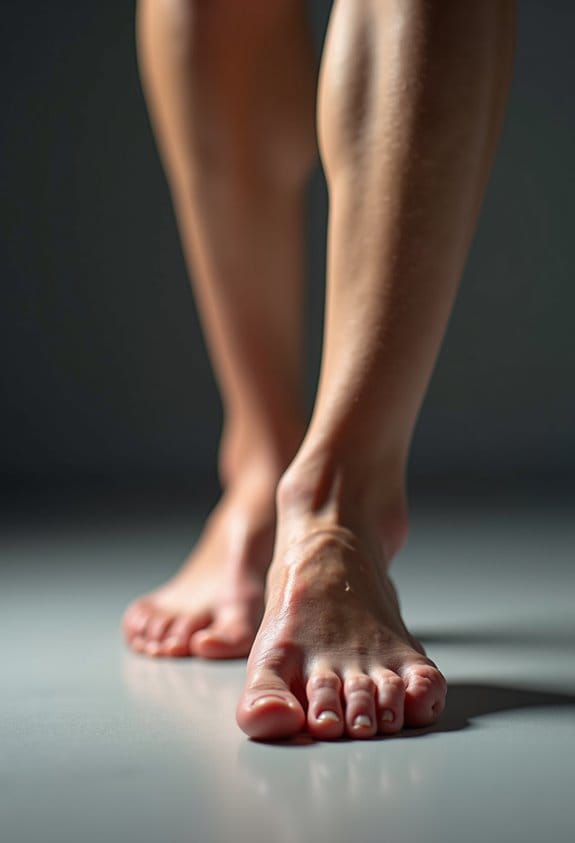
Moving beyond footwear choice, neglecting to strengthen the foot muscles greatly impairs adaptation outcomes. When shifting to barefoot shoes, foot strengthening exercises like toe curls, calf raises, and toe yoga become essential. These activities engage the small intrinsic foot muscles, which play a critical role in maintaining balance and supporting proper gait mechanics. Without a consistent strengthening routine, the risk of injuries such as plantar fasciitis and tendon strains considerably increases due to muscle weakness. Incorporating targeted exercises and walking on varied natural surfaces conditions foot muscles to handle minimalist footwear demands. Research shows that improving foot muscle strength reduces discomfort and enhances overall foot function. Failing to build this muscle foundation often leads to adaptation setbacks, undermining the benefits intended by switching to barefoot shoes. Additionally, a gradual transition to minimalist shoes is advisable to allow the foot muscles to adapt safely to the new demands.
Recommended Products

Encourages natural running form and reduces impact.

Weight: 11.4 oz / 323 g

Engineered mesh upper: Improves breathability
Neglecting Proper Running and Walking Form
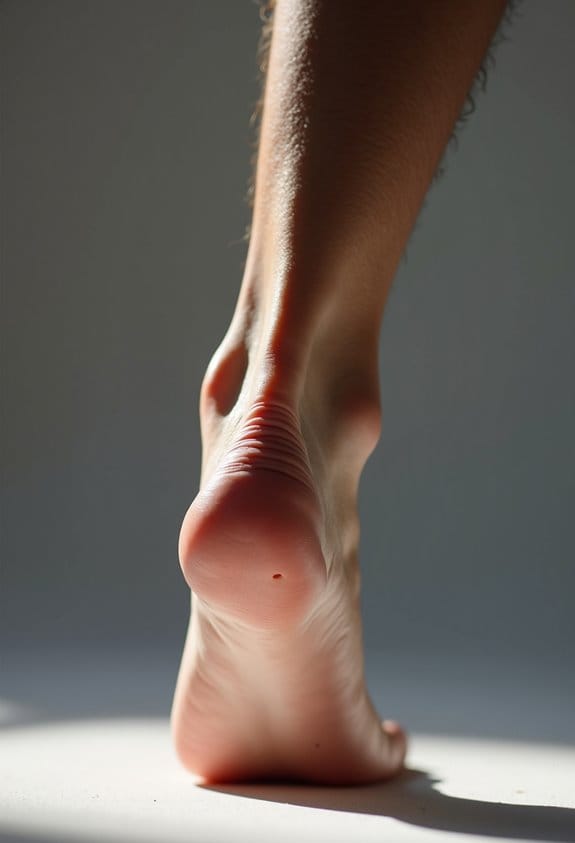
Why is adjusting running and walking form critical when shifting to barefoot footwear? Neglecting proper running form during the change to barefoot shoes leads to injury risks like plantar fasciitis and Achilles tendinitis because heel strike amplifies impact forces on joints. Switching to a midfoot or forefoot strike is necessary to promote a natural gait and reduce stress on the foot and lower limbs. Barefoot footwear requires engaging intrinsic foot muscles to provide adequate support, which often demands mindful changes in movement patterns. Failure to adapt can result in imbalances, overuse injuries, and persistent pain. Attention to body feedback and gradual adjustment of running and walking techniques guarantees a safer change, fostering efficiency and comfort while reinforcing correct foot biomechanics under reduced cushioning conditions. Selecting barefoot shoes with flexible soles can further support this transition by enhancing ground feedback.
Recommended Products

LIVE FREE AND PLAY HARD.Comfy, flexible and super easy to wear-the Nike Free Run 2 transforms a running shoe into all-day play-ready shoes. The deep grooves in the sole are the signature of the Free's "barefoot-like" feel. With plush details and soft
LIVE FREE AND PLAY HARD.Comfy, flexible and super easy to wear-the Nike Free Run 2 transforms a running shoe into all-day play-ready shoes. The deep grooves in the sole are the signature of the Free's "barefoot-like" feel. With plush details and soft

Cordura mesh and TPU upper
Frequently Asked Questions
How Long Does It Take to Transition to Barefoot Shoes?
Shifting to barefoot shoes typically takes several weeks to months, allowing sensitivity training, muscle strengthening, and adaptation of foot anatomy. This gradual process supports injury prevention, enhances running technique, natural gait, balance improvement, and requires lifestyle adjustments for ideal arch support and footwear flexibility.
What Happens When You Transition to Barefoot Shoes?
Shifting to barefoot shoes involves foot structure realignment, running form adjustment, muscle adaptation, arch support reduction, terrain awareness enhancement, foot strength gain, injury prevention focus, balance improvement, sensory feedback increase, and overall health benefits through mindful, gradual adaptation.
How to Gradually Transition to Barefoot Shoes?
A proper shift strategy involves gradual increase in barefoot shoe wear, emphasizing foot strengthening and muscle adaptation, enhancing sensory feedback. Incorporating surface variety and shoe flexibility supports form correction, injury prevention, and maximizes barefoot benefits during adaptation phases.
Do Barefoot Shoes Hurt at First?
Barefoot shoes often cause initial soreness levels due to foot adjustments involving arch support reduction, increased toe flexibility, and altered gait. Discomfort signs can indicate fit issues or muscle adaptation needs, while heightened ground feel may increase injury risks temporarily.

