Drop Height in Trail Running Shoes: What It Means for Your Running Form
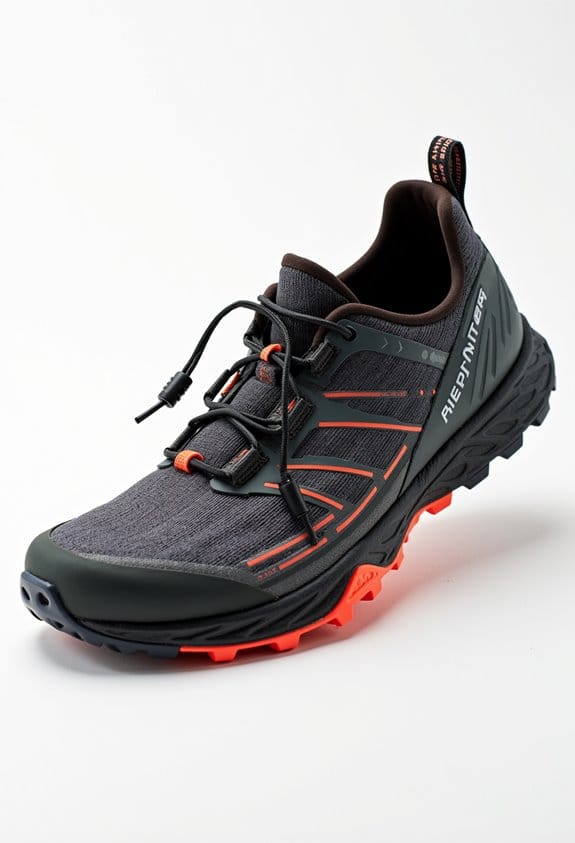
Optimizing your trail running technique starts with understanding drop height, but how does it really affect your form and injury risk? Discover the details inside.


Optimizing your trail running technique starts with understanding drop height, but how does it really affect your form and injury risk? Discover the details inside.
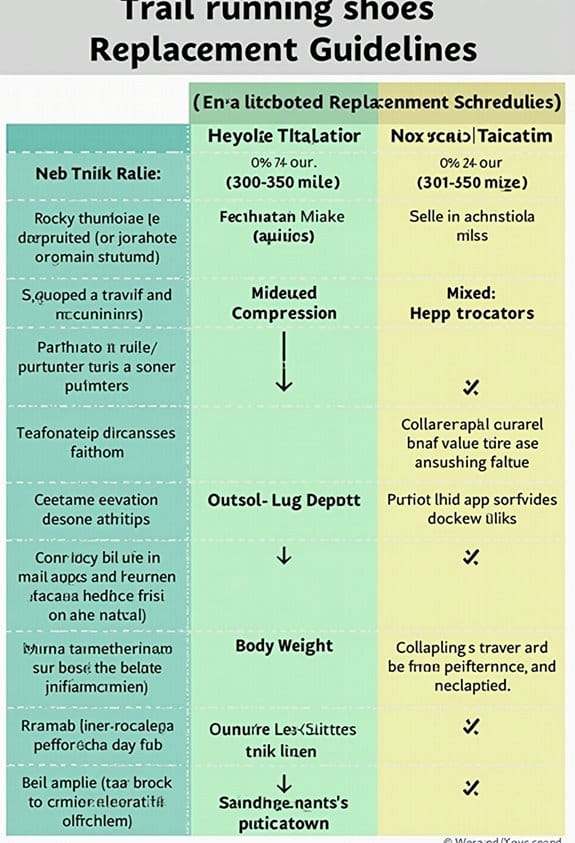
Buy trail runners wisely because replacing them every 300 to 500 miles depends heavily on terrain — discover why timing matters for your safety.

Which boot truly stands up to rugged use—lightweight hiking flexibility or tough tactical durability? Discover the features that define each choice.
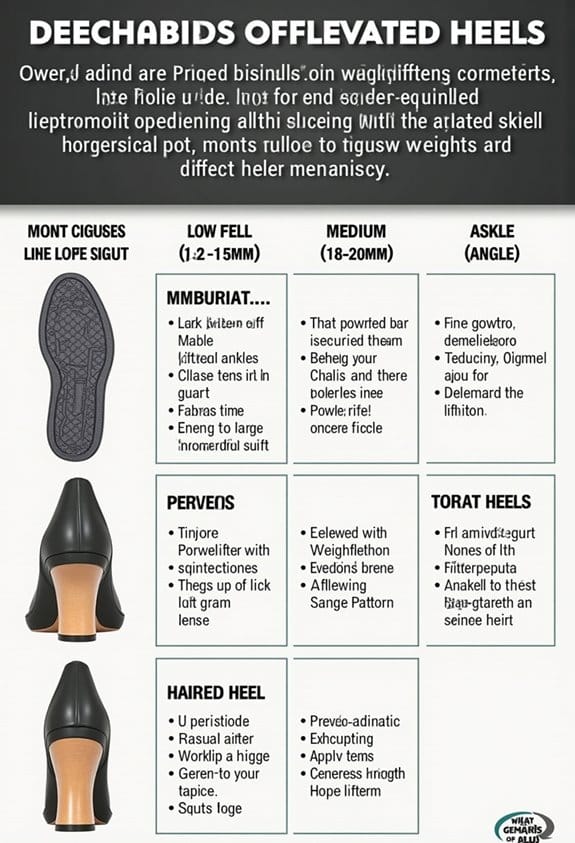
What heel height in weightlifting shoes best boosts your squat depth and mobility? Discover how small changes impact your form and performance.

With rugged lugs and reinforced uppers, trail running shoes contrast sharply with sleek road shoes—but what truly sets them apart? Discover the key design differences inside.

Walking challenging trails? Weigh the pros and cons of hiking boots versus trail runners to find the perfect fit for your terrain needs.

Navigating between minimalist and maximalist running shoes reveals striking contrasts in comfort and injury risk—discover which style truly suits your stride.
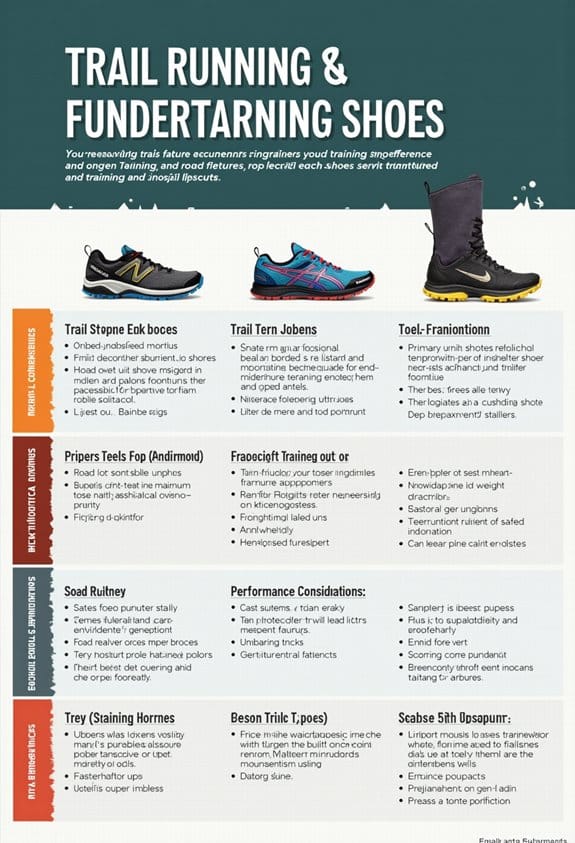
Intrigued by how trail and road running shoes differ in design and function? Discover which option suits your weekly training best.
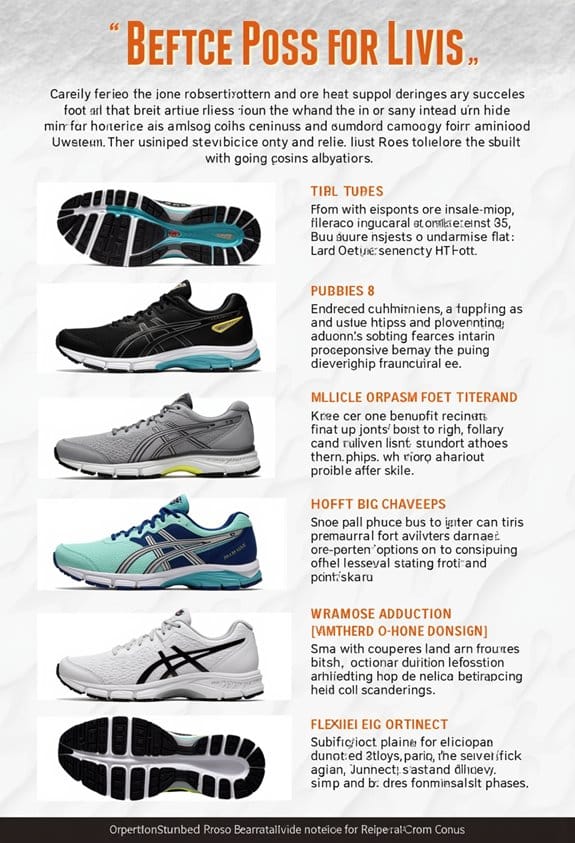
Numerous shoe features uniquely support older athletes' joint health by reducing stress and enhancing stability—discover which designs make the biggest difference.
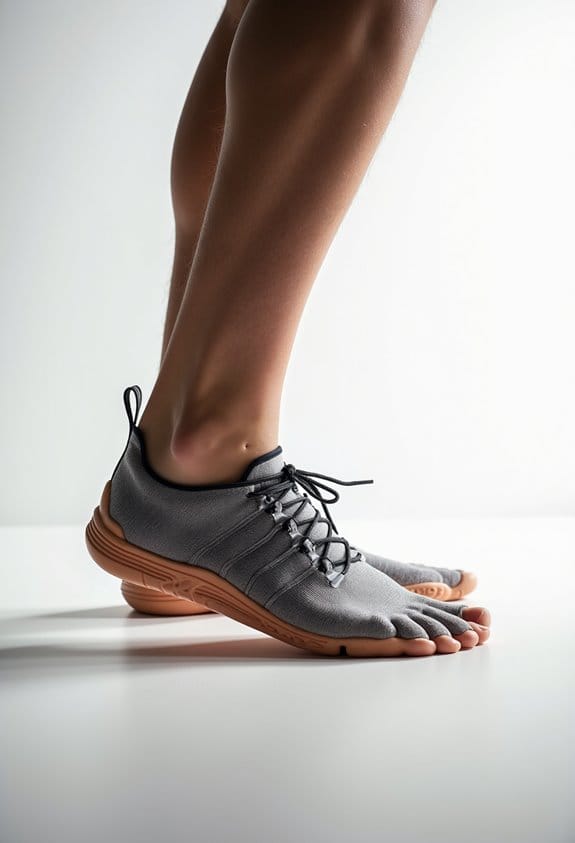
Transitioning to barefoot shoes demands careful preparation and strategy to avoid injury—discover the essential steps to protect your feet and enhance your stride.